
FluidMIM range
Industrial progressive cavity pumps
Four series of progressive cavity pumps for gently transferring viscous or delicate products: from the compact pump for wine, oil or preserves to the multistage pump of up to 24 bar and the pumps with a hopper or screw feeder for the grape harvest.
- 4 seriesFrom compact transfer to the grape harvest
- 24 barMaximum pressure (FL-ERB, 4 stages)
- 2–60 m³/hDestemmed grapes (FL-ERTV)
- 25–45 t/hGrape paste (FL-EREX)
- AISI 316 / 304Wetted parts
- 0.25–15 kWMotor power ratings
Prefer to speak to a technician? Call 972 58 20 40 or download the FLUIDMIM catalogue (PDF)
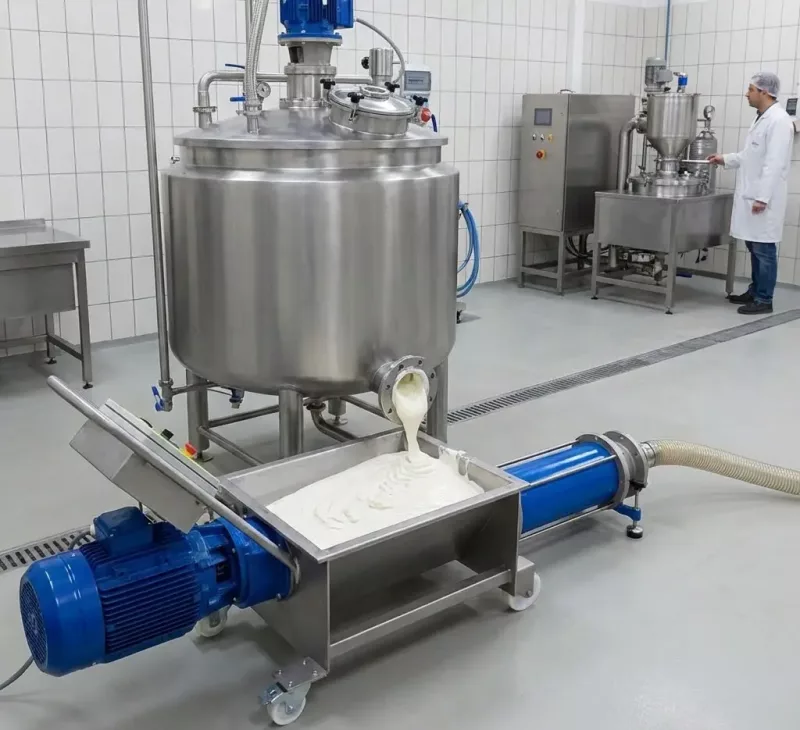
InoxMIM progressive cavity pump models
Four series: two for transfer through pipework and two designed for the grape harvest. Each card takes you to the model's data sheet, with its sizes, technical data and options.
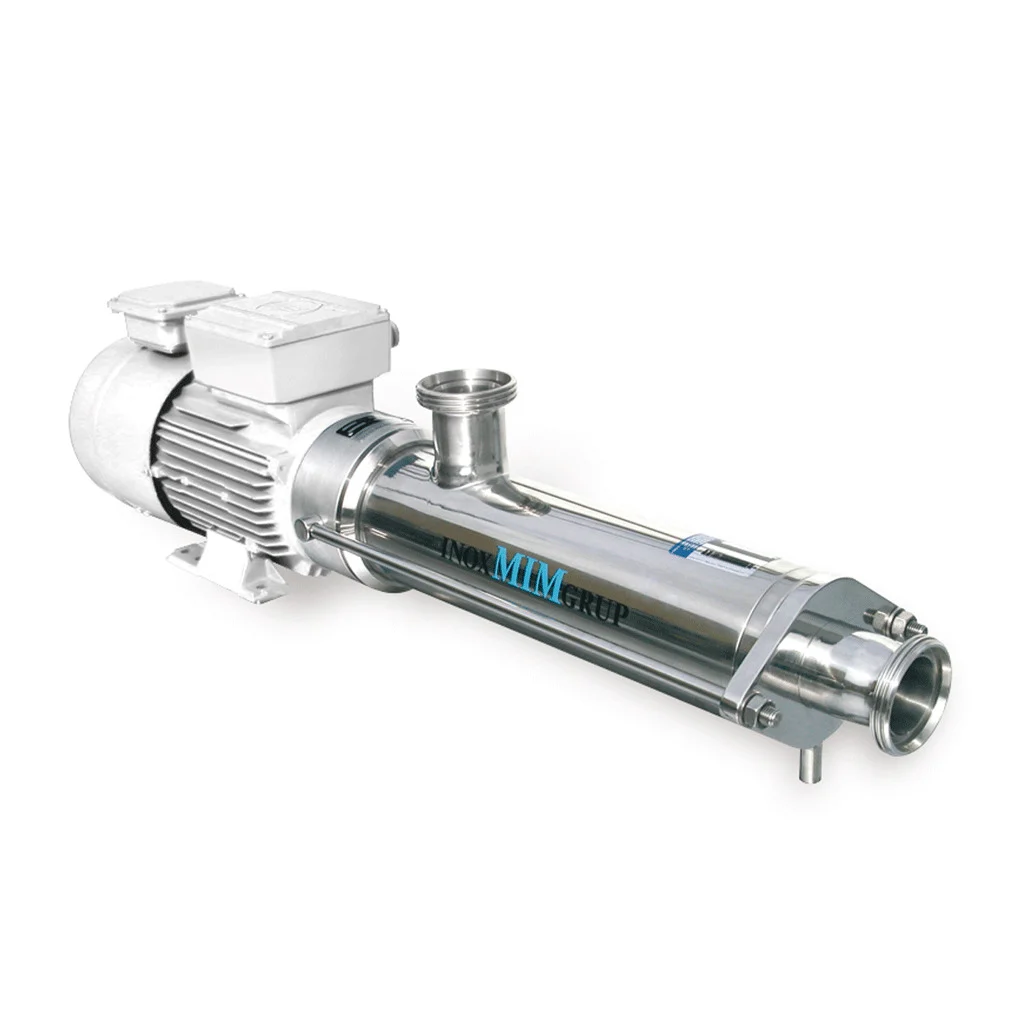
Compact
FL-EF
For gently transferring wine, must, oil, juices or preserves at low flow rates. It has GAS connections and is moved on a trolley between points in the plant.
- 8 m³/hMax. flow rate
- 50 m headMax. head (water column)
- 0.25–2.2 kWMotor
View the FL-EF data sheet →
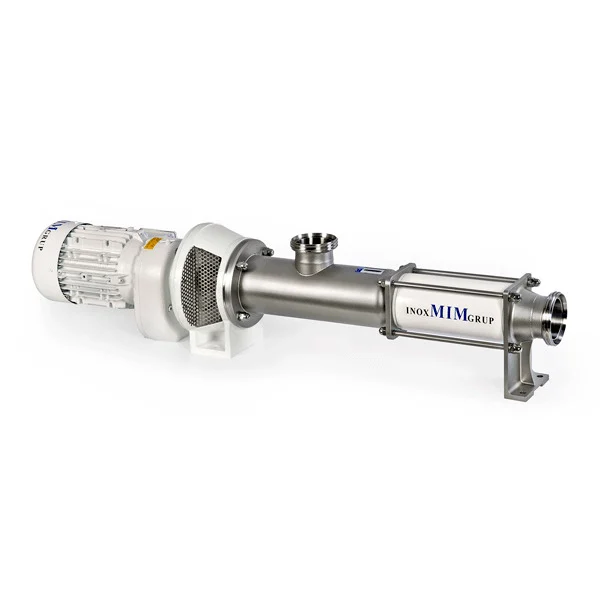
Multistage
FL-ERB
Gentle transfer of wines, musts, oils, juices or chemicals, with 1 to 4 stages for pumping under pressure, DIN 11851 connections and monobloc or bare-shaft mounting.
- 24 barMax. pressure
- 1–4 stagesDepending on pressure
- AISI 316Material
View the FL-ERB data sheet →
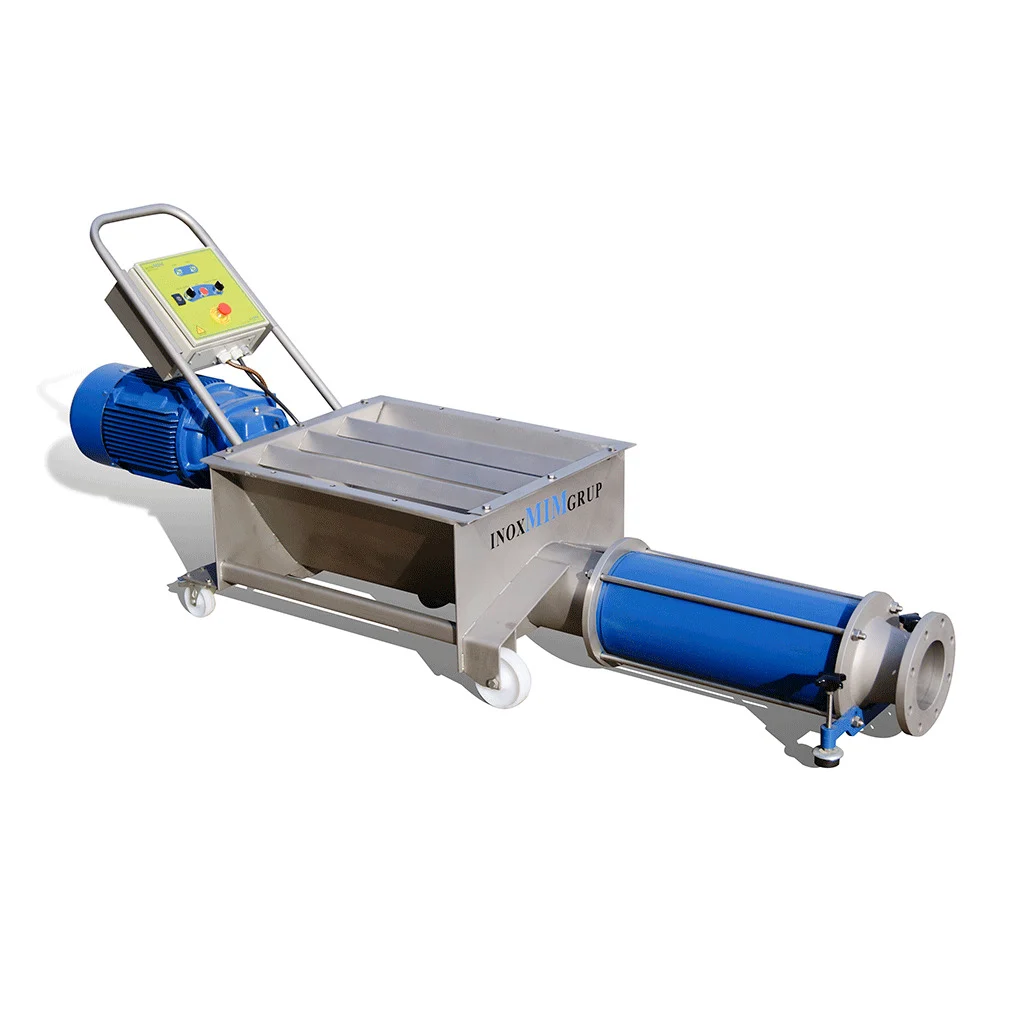
With hopper
FL-ERTV
Reception of destemmed grapes and vat emptying: the hopper receives the harvested grapes and the pump carries them through pipework to the tanks. A control panel is included as standard.
- 2–60 m³/hNominal flow rate
- 6 barMax. pressure
- 3–15 kWMotor
View the FL-ERTV data sheet →
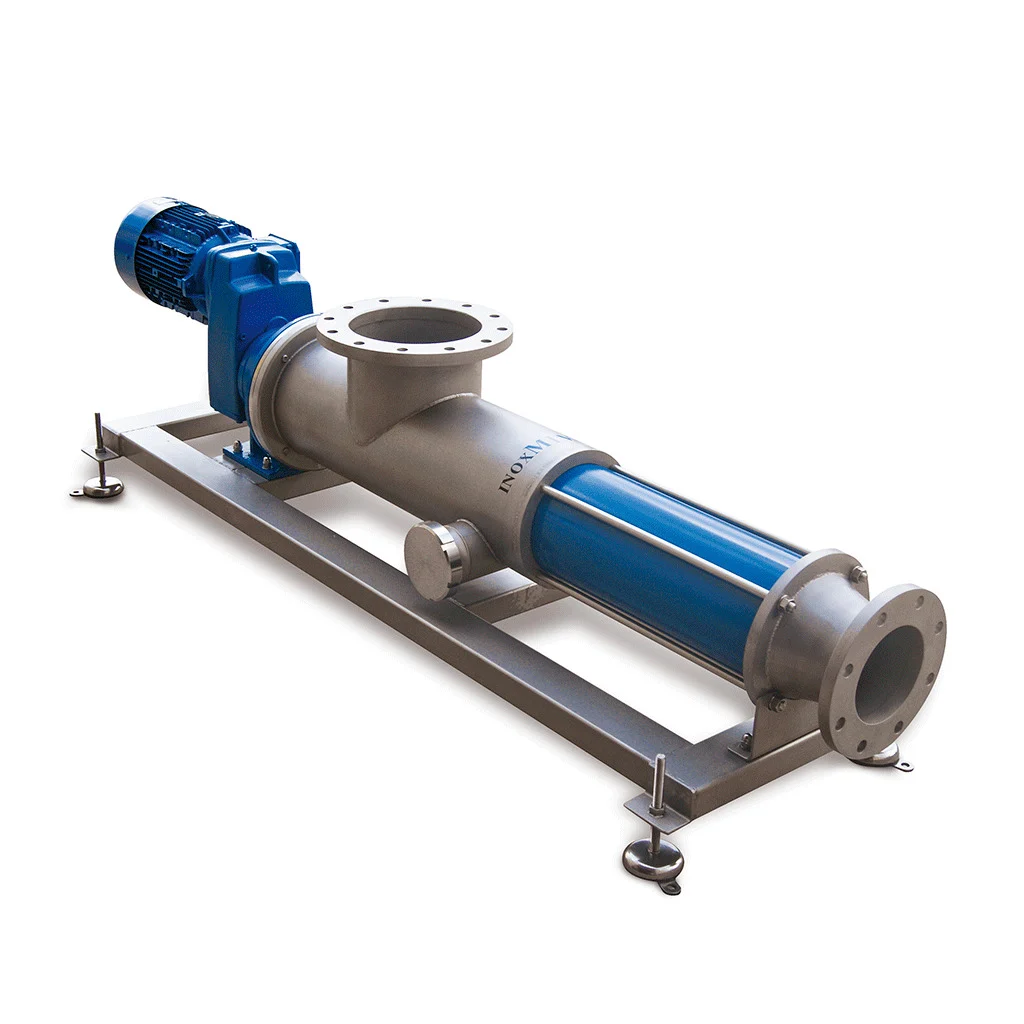
Progressive cavity pump comparison
The basic data for each series. The first question is how the product reaches the pump: through pipework (FL-EF and FL-ERB), in a hopper (FL-ERTV) or as paste (FL-EREX).
| Series | Type | Flow rate | Max. pressure | Material | Typical use |
|---|---|---|---|---|---|
| FL-EF | Compact, floating stator | Up to 8 m³/h | 50 m head | AISI 316 · nitrile stator | Wine, must, oil, juices and preserves |
| FL-ERB | 1 to 4 stages, monobloc or bare shaft | — | 24 bar | AISI 316 · white Perbunan stator | Wine, must, oils, juices and chemicals |
| FL-ERTV | With hopper and control panel | 2–60 m³/h | 6 bar | AISI 304 · nitrile stator | Destemmed grape reception and vat emptying |
| FL-EREX | With screw feeder | 25–45 t/h | 6 bar | AISI 316 · nitrile stator | Grape paste in large volumes |
Maximum values for each series according to the FLUIDMIM catalogue. The flow rate of the FL-ERB depends on the size, speed and pressure: you will find it in the selection areas on its data sheet.
Which progressive cavity pump do you need?
Choose the situation closest to yours and we will take you to the right model.
How a progressive cavity pump works
A progressive cavity pump, or helical rotor pump, has a helical rotor that turns inside an elastomer stator. Together they form sealed cavities that advance from suction to discharge and push the product along without churning it. The flow rate is proportional to the rotation speed and the flow is continuous, with no pulsation.
That is why it is the usual technology for viscous or delicate products and for pumping under pressure. The product itself lubricates the contact between rotor and stator, so the pump must not run dry. If you want to compare it with other technologies, see our guide on the difference between centrifugal and positive displacement pumps.
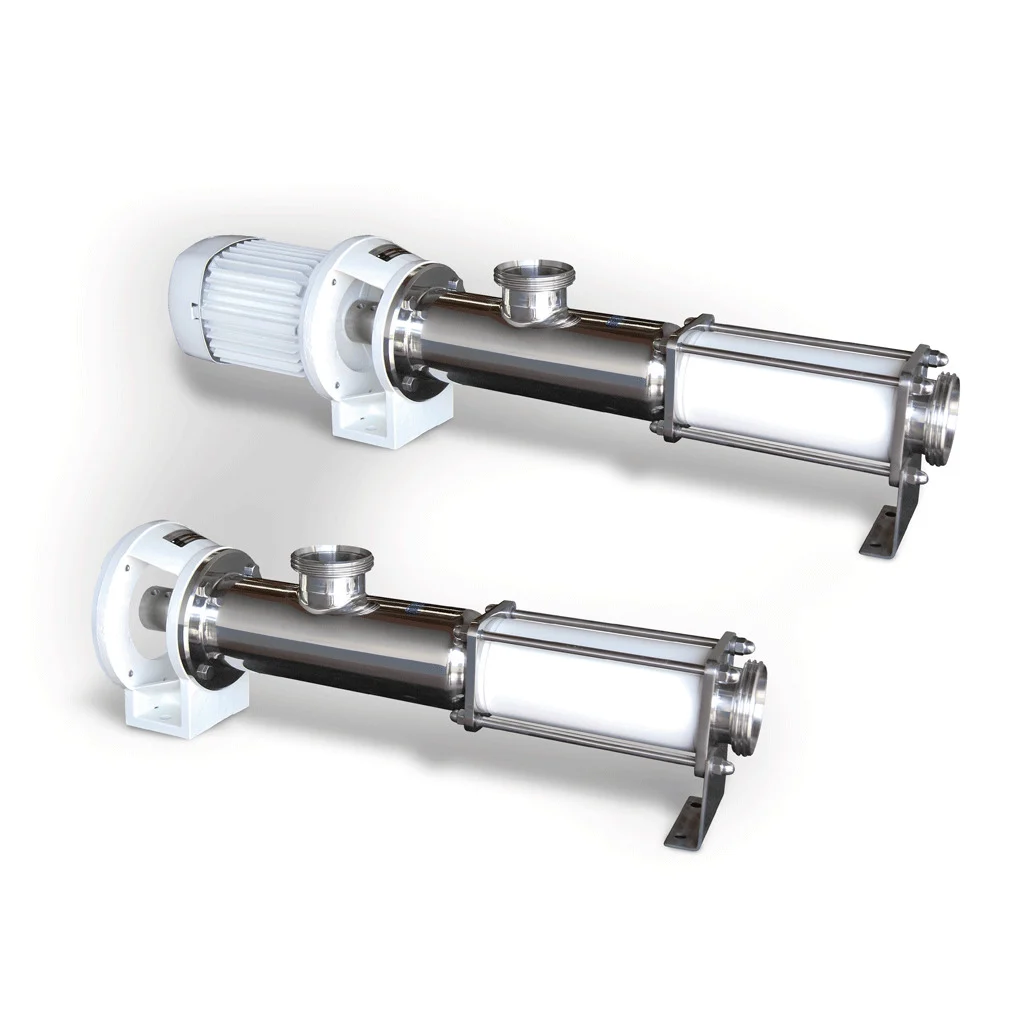
Gentle transfer
The cavities advance without churning or emulsifying the product, which protects wines, musts, oils and preserves.
Steady, adjustable flow rate
The flow rate is proportional to the rotation speed, with no pulsation, and is adjusted by varying the speed.
Pressure when you need it
The FL-ERB is built with 1 to 4 stages and reaches 24 bar, for long lines or lines with a difference in level.
Ready for the grape harvest
Hopper and control panel on the FL-ERTV and screw feeder on the FL-EREX, for destemmed grapes and grape paste.
Stainless steel (wetted)
AISI 316 on the FL-EF, FL-ERB and FL-EREX, and AISI 304 on the FL-ERTV, with a nitrile or white Perbunan stator.
Simple maintenance
The stator is the main wear part and is easy to inspect. Simply clean the pump thoroughly at the end of each working day.
Progressive cavity pump applications
Where InoxMIM progressive cavity pumps work, from the packaging line to grape reception.
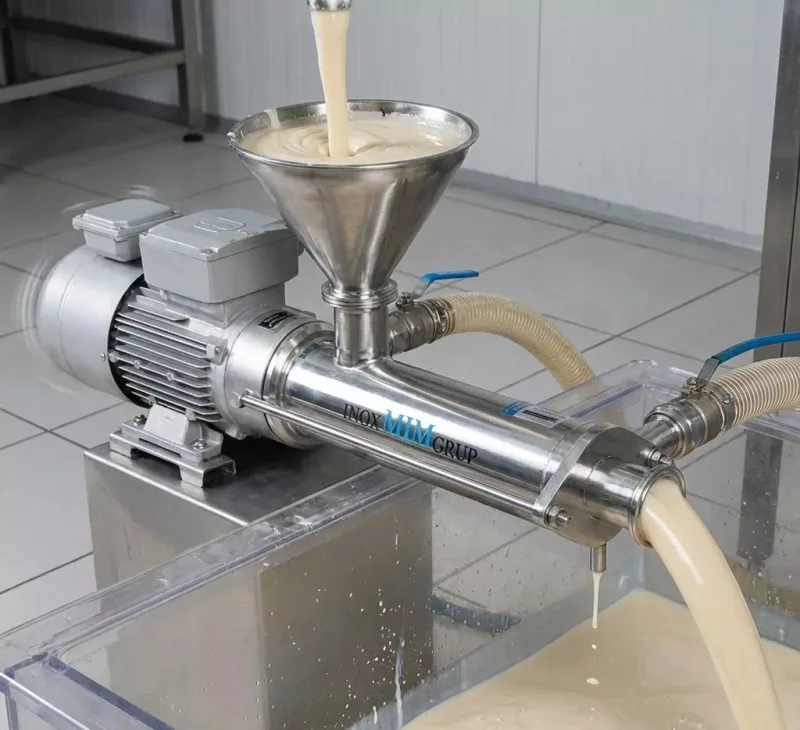
Food industry
Transfer of oils, juices, preserves, purées and concentrates, preserving their texture and without incorporating air. They also feed pasteurisers or packaging lines with a uniform flow rate.
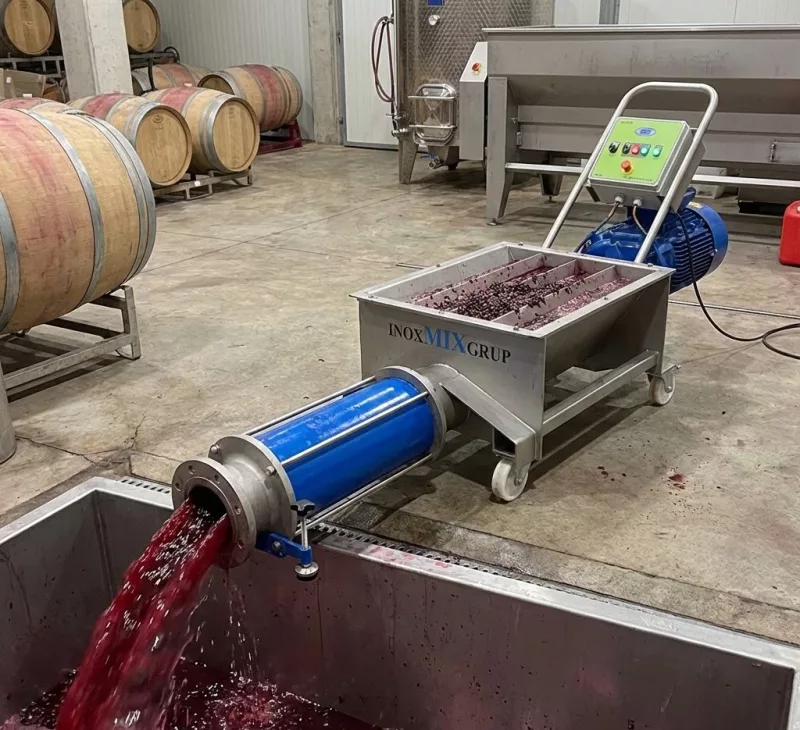
Wineries
Reception of destemmed grapes, vat emptying, conveying grape paste and transferring must or wine between tanks, with gentle, continuous pumping.
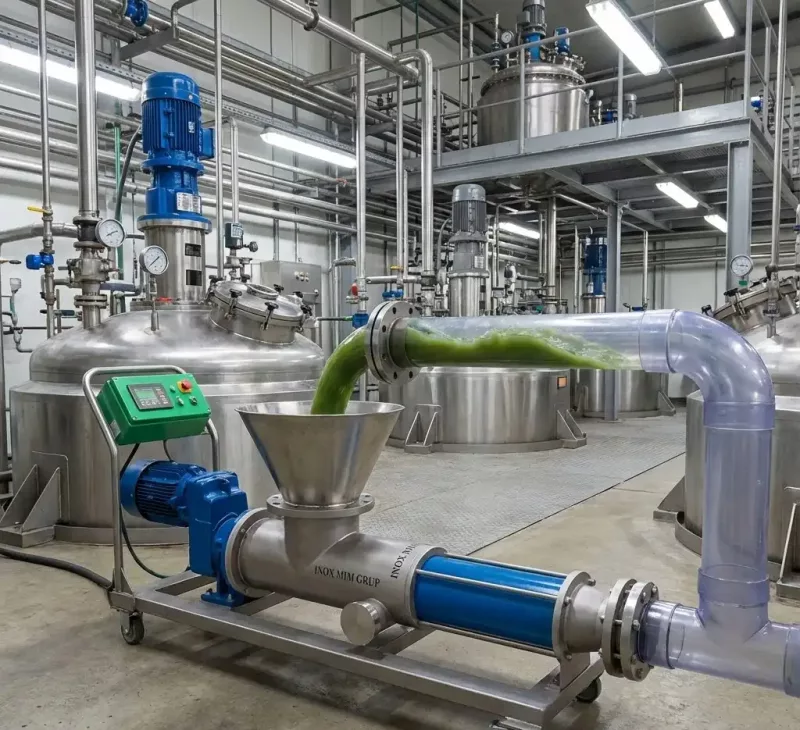
Chemical industry
Gentle transfer of chemicals and feeding of reactors or mixing systems that need a controlled flow rate, even under pressure.
Frequently asked questions about progressive cavity pumps
Are a progressive cavity pump and a helical rotor pump the same thing?
Which products can be pumped with a progressive cavity pump?
Viscous or delicate products that must not be churned: wine, must, oils, juices, preserves, destemmed grapes, grape paste and chemicals. For abrasive suspensions or sludge a peristaltic pump is advisable, and for clean liquids at high flow rates, a centrifugal pump.
How do you choose the right progressive cavity pump?
First, how the product reaches the pump: through pipework, in a hopper or as paste. Then, the flow rate and pressure you need, the viscosity and the temperature. With these data you choose the series and, within it, the size and number of stages. The comparison on this page is a good starting point.
Which pump is best for the grape harvest?
To receive destemmed grapes in a hopper and for vat emptying, the FL-ERTV, from 2 to 60 m³/h. For grape paste in large volumes, the FL-EREX, from 25 to 45 t/h. If you work with whole grapes, the option is the FL-PT peristaltic pump with hopper.
What materials are progressive cavity pumps made of?
The wetted parts are made of AISI 316 stainless steel on the FL-EF, FL-ERB and FL-EREX, and AISI 304 on the FL-ERTV. The stator is nitrile on the FL-EF, FL-ERTV and FL-EREX, and white Perbunan on the FL-ERB. If your product needs another material, contact us.
How do you look after the stator of a progressive cavity pump?
By preventing the pump from running without product, because the liquid itself lubricates and cools the contact with the rotor. It is advisable to clean the pump at the end of each working day and inspect the stator, which is the main wear part. You will find general advice in how to carry out good maintenance of industrial machinery.
When is another technology better than a progressive cavity pump?
If the pump may run out of product or you need to reverse the rotation to empty hoses, choose an FL-PT peristaltic pump. If the product is very viscous, consider the FL-PRL lobe pump. And if it is a clean, low-viscosity liquid at high flow rates, a centrifugal pump is enough.
Do you offer advice on choosing the pump?
Yes. InoxMIM's technical department helps you choose the series, size and number of stages based on your product, the flow rate, the pressure and the way the product reaches the pump, and adapts the pump to the real conditions of your process.
Other InoxMIM industrial pumps
If your product is very viscous, abrasive or a clean liquid at high flow rates, another pumping technology may suit you better.
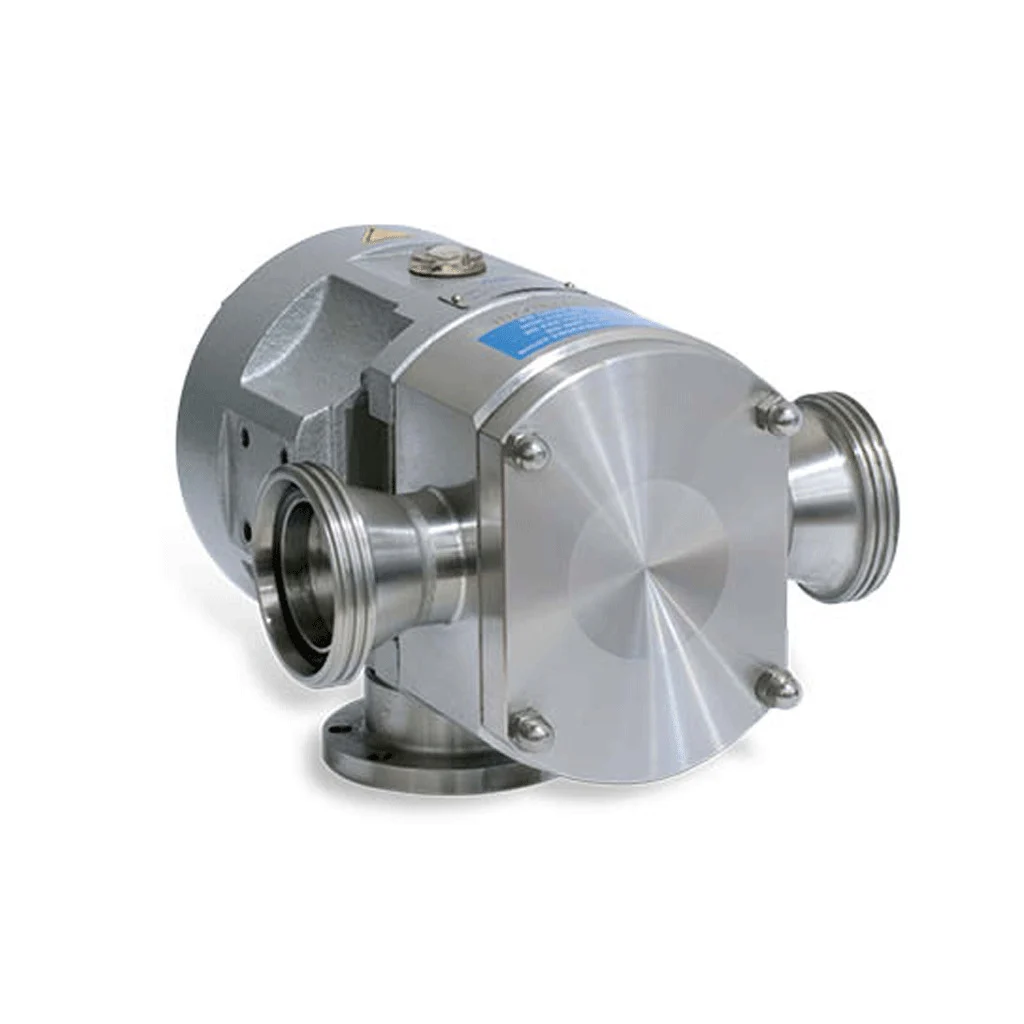 Lobe pumpsVery viscous liquids
 Peristaltic pumpsWhole grapes, sludge and dry running
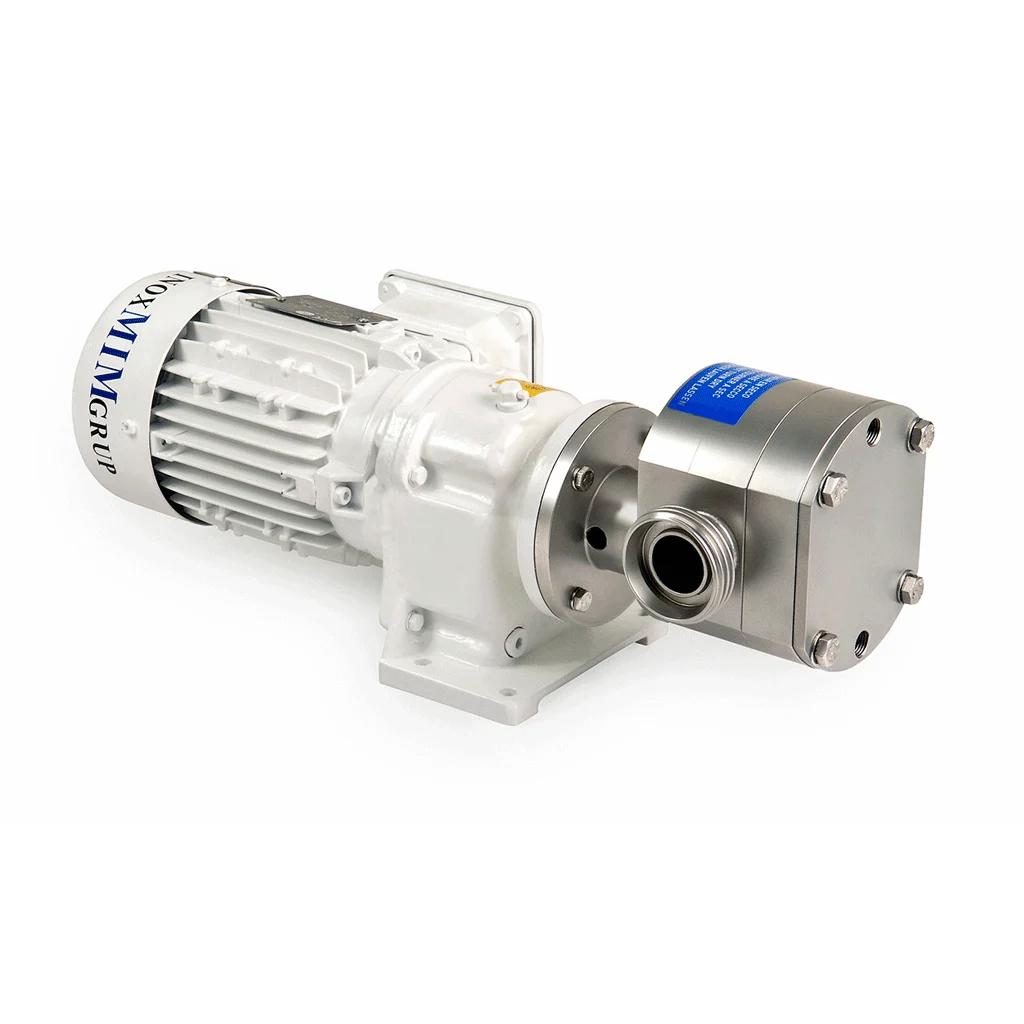 Gear pumpsDosing of viscous products
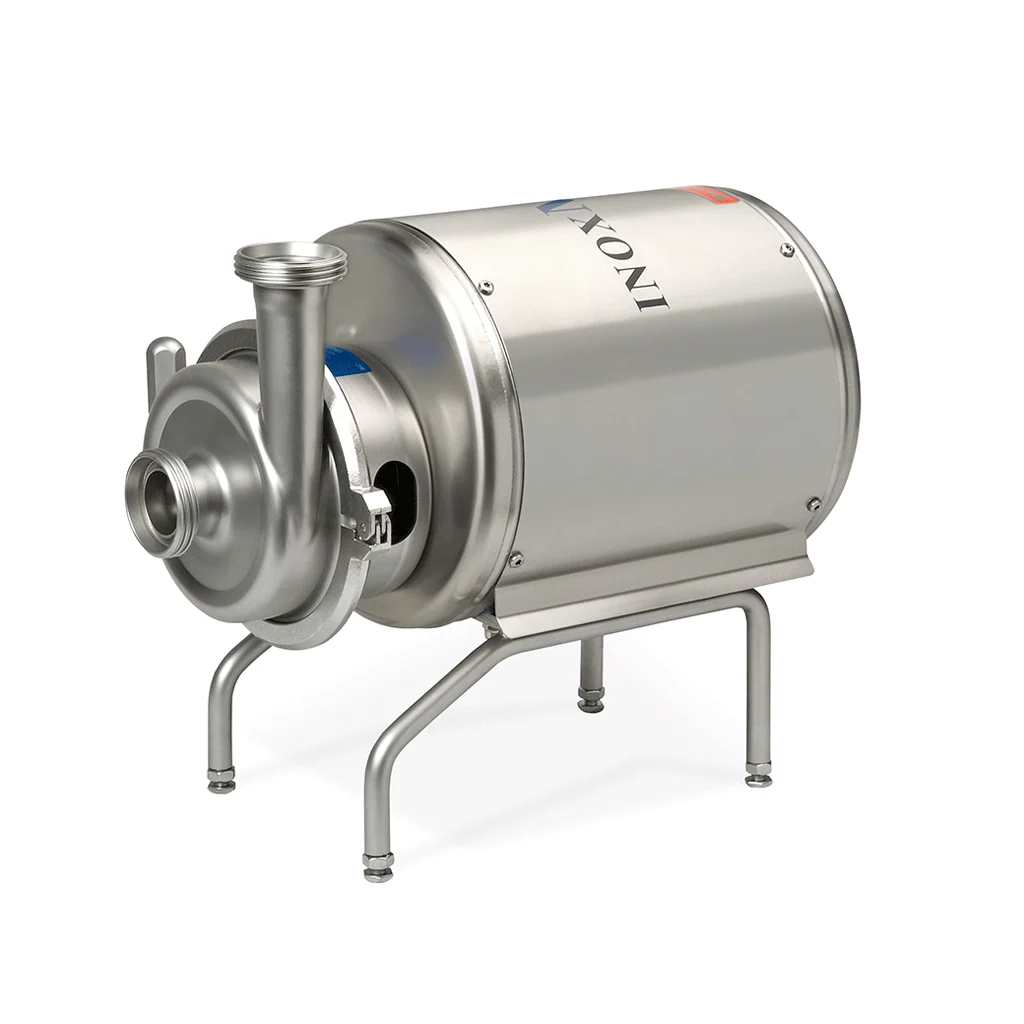 Centrifugal pumpsClean liquids, high flow rate
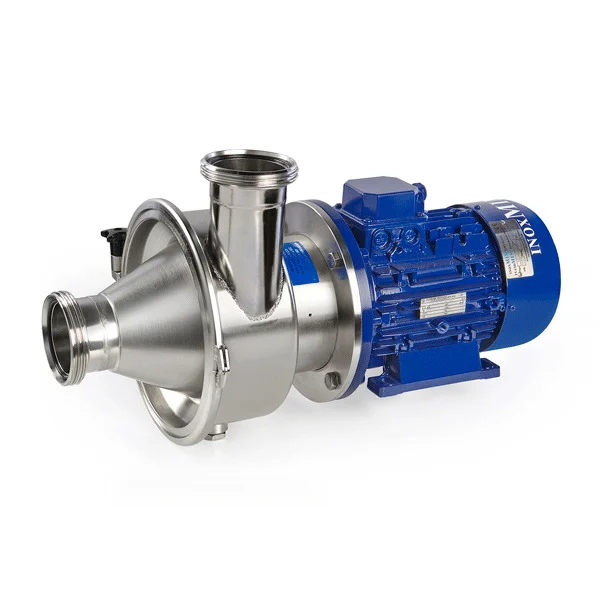 Helical impellerProducts with whole solids
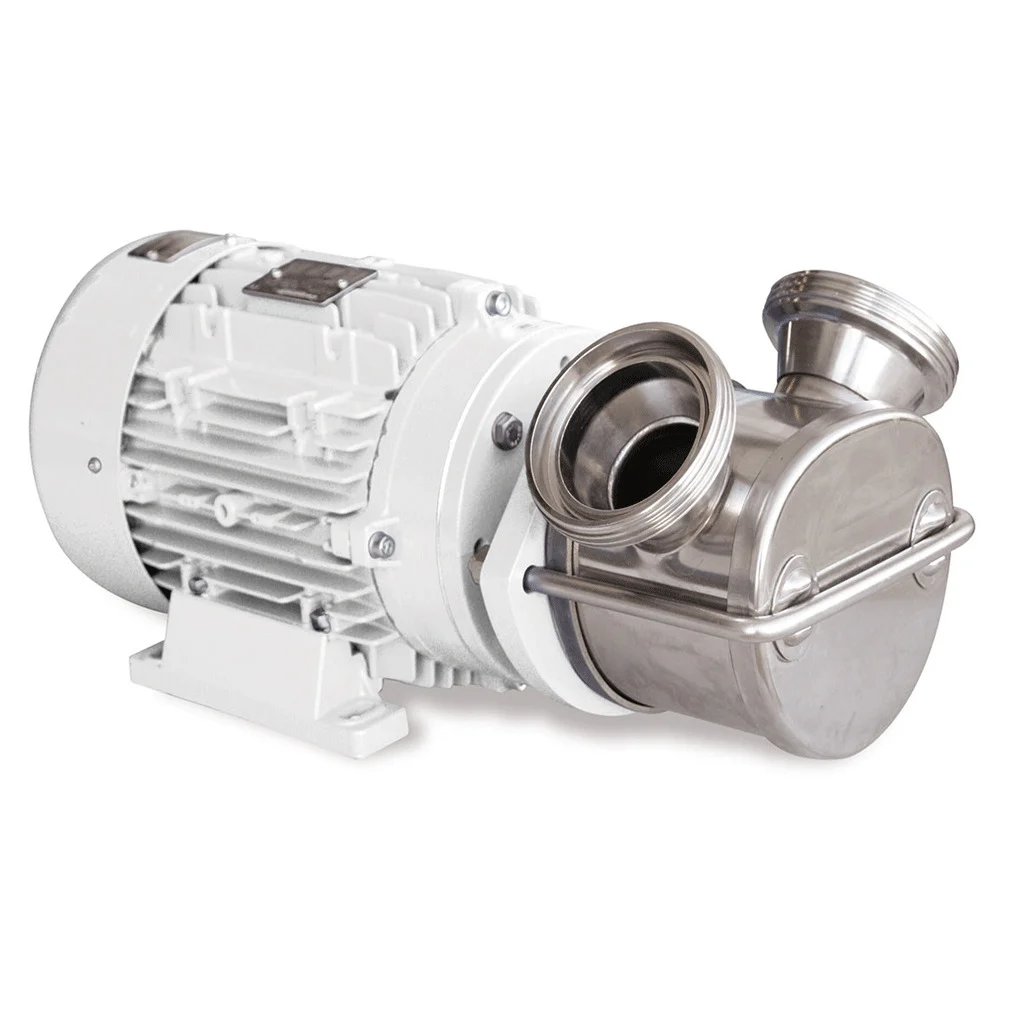 Flexible impellerWine, dairy and oils
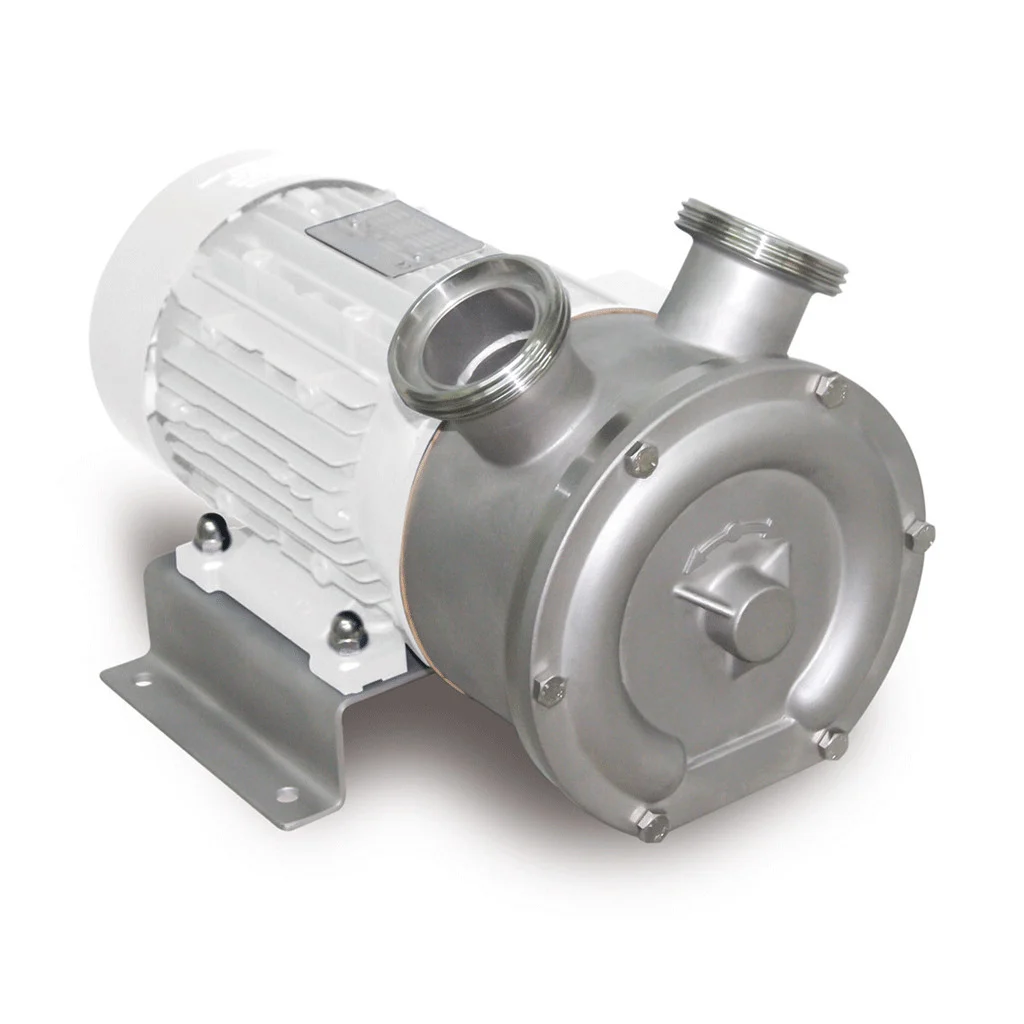 Liquid ringSelf-priming and reversible
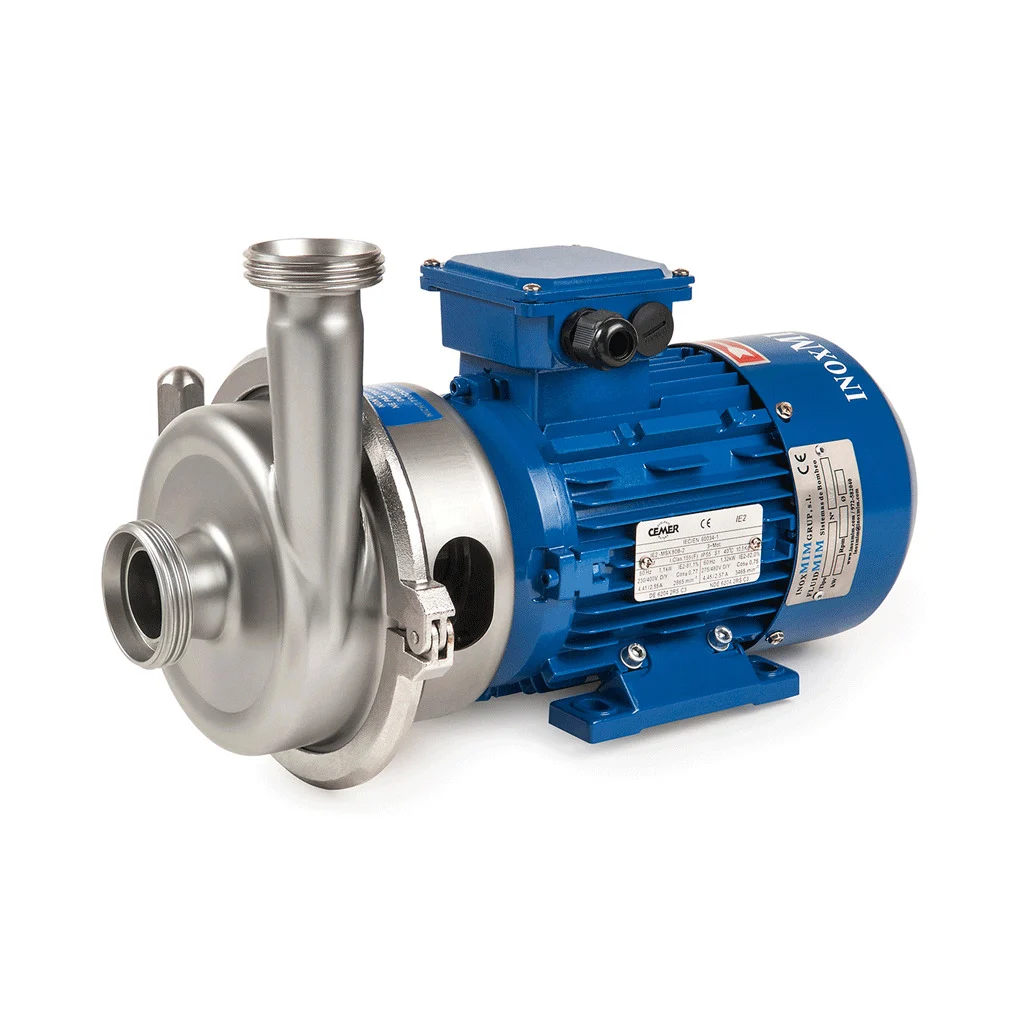 All industrial pumpsView the full range
We help you choose your progressive cavity pump
Tell us what product you are moving, how it reaches the pump (through pipework, in a hopper or as paste), the flow rate and the pressure, and we will recommend the right series and size.