
FluidMIM range
Industrial peristaltic pumps
Three peristaltic pump models in which the product only touches the hose: no mechanical seal, reversible, self-priming and able to run dry. From the cast iron FL-PH for sludge and chemicals to the stainless steel FL-PT for wine and food, up to 52,000 L/h.
- 3 modelsCast iron, stainless steel and with hopper
- 52,000 L/hMaximum flow rate (FL-PT)
- 8 barMaximum pressure (FL-PH)
- -0.7 barSelf-priming pressure
- AISI 304L / GG-25Pump body
- FDA natural rubberStandard hose
Prefer to speak to a technician? Call 972 58 20 40 or download the FLUIDMIM catalogue (PDF)
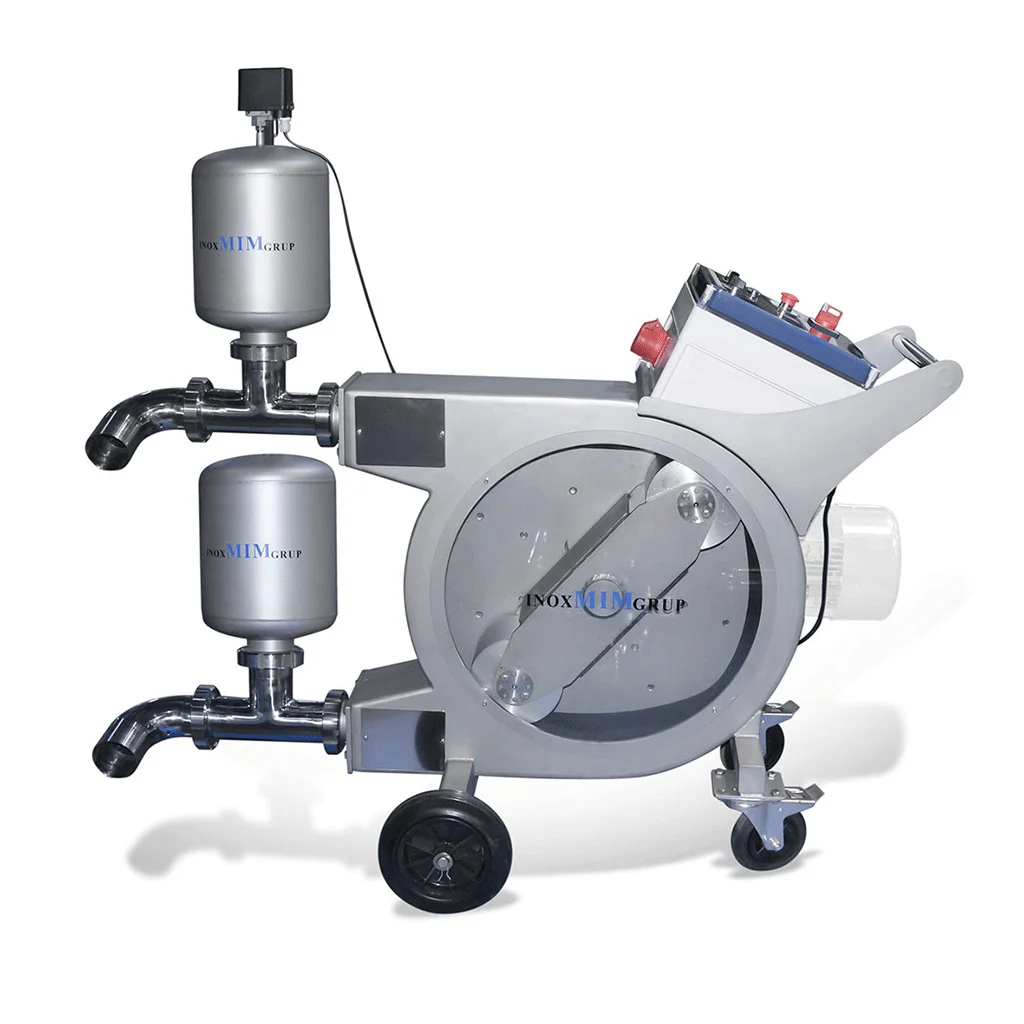
InoxMIM peristaltic pump models
One cast iron pump for industrial and abrasive products, and two in stainless steel for wine and food: one connects to piping and the other receives the product in a hopper. Each card leads to the model's data sheet.

Cast iron
FL-PH
For sludge, slurries, carbonates and abrasive suspensions, and for dyes, glues, resins or paints. The product only touches the hose and the pump can run dry.
- 3,000 L/hMax. flow rate
- 8 barMax. pressure
- GG-25Body
See the FL-PH data sheet →
Stainless steel
FL-PT
Pipeline transfer of wine, must, milk, oil or juices without beating or shearing the product, with pulsation dampeners on the suction and discharge.
- 7,000–52,000 L/hFlow rate
- 3 barMax. pressure
- AISI 304LBody
See the FL-PT data sheet →

With hopper
FL-PT with hopper
For tipping in whole, trodden or crushed grapes, tomatoes or fruit salads and transferring them without damaging them. It has a solids reception hopper and a control panel.
- 7,000–52,000 L/hFlow rate
- HopperSolids reception
- 3 barMax. pressure
See the FL-PT with hopper data sheet →
Peristaltic pump comparison
The basic data of each model. The two key factors are the product (industrial or food) and how it reaches the pump: through piping or tipped into a hopper.
| Model | Body | Flow rate | Max. pressure | Power supply | Typical use |
|---|---|---|---|---|---|
| FL-PH | GG-25 grey cast iron | Up to 3,000 L/h | 8 bar | Through piping | Sludge, abrasive suspensions and chemicals |
| FL-PT | AISI 304L | 7,000–52,000 L/h | 3 bar | Through piping, with pulsation dampeners | Wine, must, milk, oil and juices |
| FL-PT with hopper | AISI 304L | 7,000–52,000 L/h | 3 bar | Solids reception hopper | Whole or trodden grapes, tomatoes and fruit |
Maximum values according to the FLUIDMIM catalogue. All three models are reversible, self-priming (-0.7 bar) and can run dry. Sizes, power ratings and options are given in each data sheet.
Which peristaltic pump do you need?
Choose the situation closest to yours and we will take you to the right model.
How a peristaltic pump works
In a peristaltic pump the product flows inside an elastic hose. Rollers squeeze it from the outside and, as they rotate, push the product towards the outlet; as the hose recovers its shape, it draws in more product. The fluid only touches the hose: there is no mechanical seal and no mechanical parts in contact with it.
That is why it handles abrasive, solids-laden or delicate products, can run dry and reverses its rotation without any problem. The passing rollers produce a pulsating flow, which is smoothed with pulsation dampeners, and the hose is the wear part. We explain it in detail in what is a peristaltic pump.

No contact with mechanical parts
The product only touches the hose: no contamination from the pump and no mechanical seal that could leak.
Reversible and self-priming
They draw at -0.7 bar and reverse their rotation to empty lines or change product without mixing or losses.
They can run dry
They are not harmed if the line or hopper runs out of product, because no part is damaged when running empty.
Gentle pumping
They do not beat or shear the product, which is why they are suitable for wine, whole grapes or semi-solids.
For abrasives and solids
The FL-PH pumps sludge, slurries, carbonates or abrasive suspensions; wear is concentrated in the hose.
Simple maintenance
The hose is the wear part; the roller adjustment and simple assembly make it easier to change and service.
Applications of peristaltic pumps in industry
Where InoxMIM peristaltic pumps work: from the winery and the food plant to the wastewater treatment plant.
Wineries and food
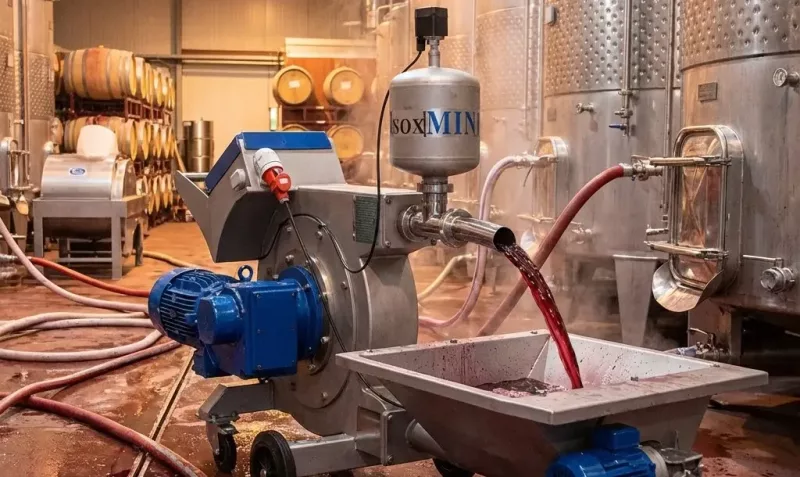
Transfer of wine, must, juices, oil or milk, and of whole grapes, crushed tomato or fruit purées, without aerating or emulsifying. The reversible rotation allows filling, emptying or recirculating.
Chemicals and water treatment
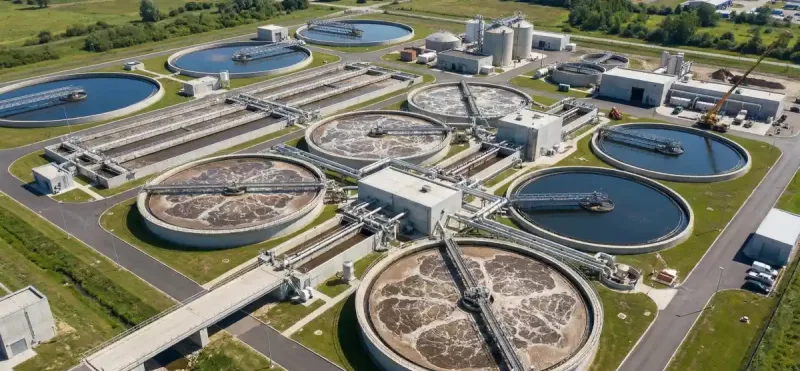
Sludge, slurries, suspensions, carbonates or reagents, even with abrasive particles, in wastewater treatment plants, chemical factories or paper mills. With no mechanical seal, there are no leaks to the surroundings.
Frequently asked questions about industrial peristaltic pumps
What is the difference between a peristaltic pump and a centrifugal pump?
The peristaltic pump is a positive displacement pump: self-priming, reversible, able to run dry and capable of moving viscous, abrasive or solids-laden products without them touching mechanical parts. The centrifugal pump is simpler and delivers more flow with clean, low-viscosity liquids, but it needs flooded suction and must always have product. There is more detail in positive displacement or centrifugal pump.
How do you choose the right peristaltic pump?
By the product and how it arrives. For sludge, chemicals or abrasive suspensions, and up to 8 bar, the FL-PH. For wine and food through piping, the FL-PT. If the product is tipped in whole, such as grapes or tomatoes, the FL-PT with hopper.
Are peristaltic pumps suitable for food products?
Yes. All three models come as standard with an FDA-certified natural rubber hose, and the product does not touch any other part. For wineries and food, the FL-PT pumps have an AISI 304L stainless steel body; the grey cast iron FL-PH is designed mainly for industrial products.
When is a peristaltic pump better than a progressive cavity pump?
When the pump may run out of product, when the rotation has to be reversed to empty hoses or alternate products, when the product is abrasive or when whole grapes are tipped in. If you need more pressure, for example up to 24 bar for wine transfer, a progressive cavity pump is advisable.
What is the wear part of a peristaltic pump?
The hose. It is the only thing that touches the product and it is replaced when it loses elasticity. As there is no mechanical seal and no wetted mechanical parts, the rest of the pump hardly wears. It is advisable to clean the hose, and the hopper if there is one, at the end of each working day, and to check the roller adjustment.
Can the flow rate be adjusted and the pump automated?
Yes. The flow rate depends on the speed of the rollers, so it is adjusted with a frequency inverter. The pumps also accept level or temperature probes, a pressure switch and a control panel with remote control, so they can be run from the process.
Do you offer advice on choosing the pump?
Yes. InoxMIM's technical department will help you choose the model, the size and the hose material based on your product, the flow rate, the pressure, the temperature and the way the product reaches the pump.
Other InoxMIM industrial pumps
If you need more pressure, need to dose a viscous product or move a clean liquid at high flow rates, another pumping technology may suit you better.
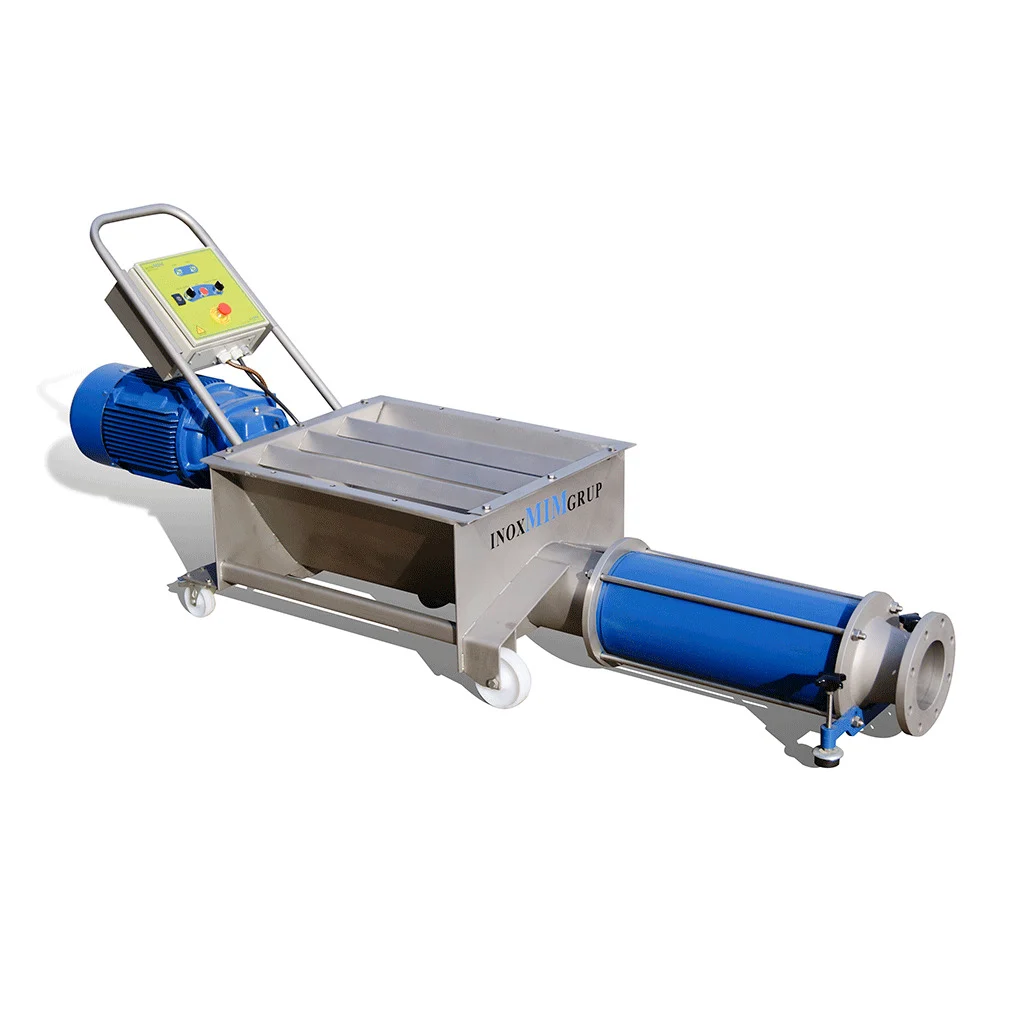 Progressive cavity pumpsGrape harvest and pressure transfer
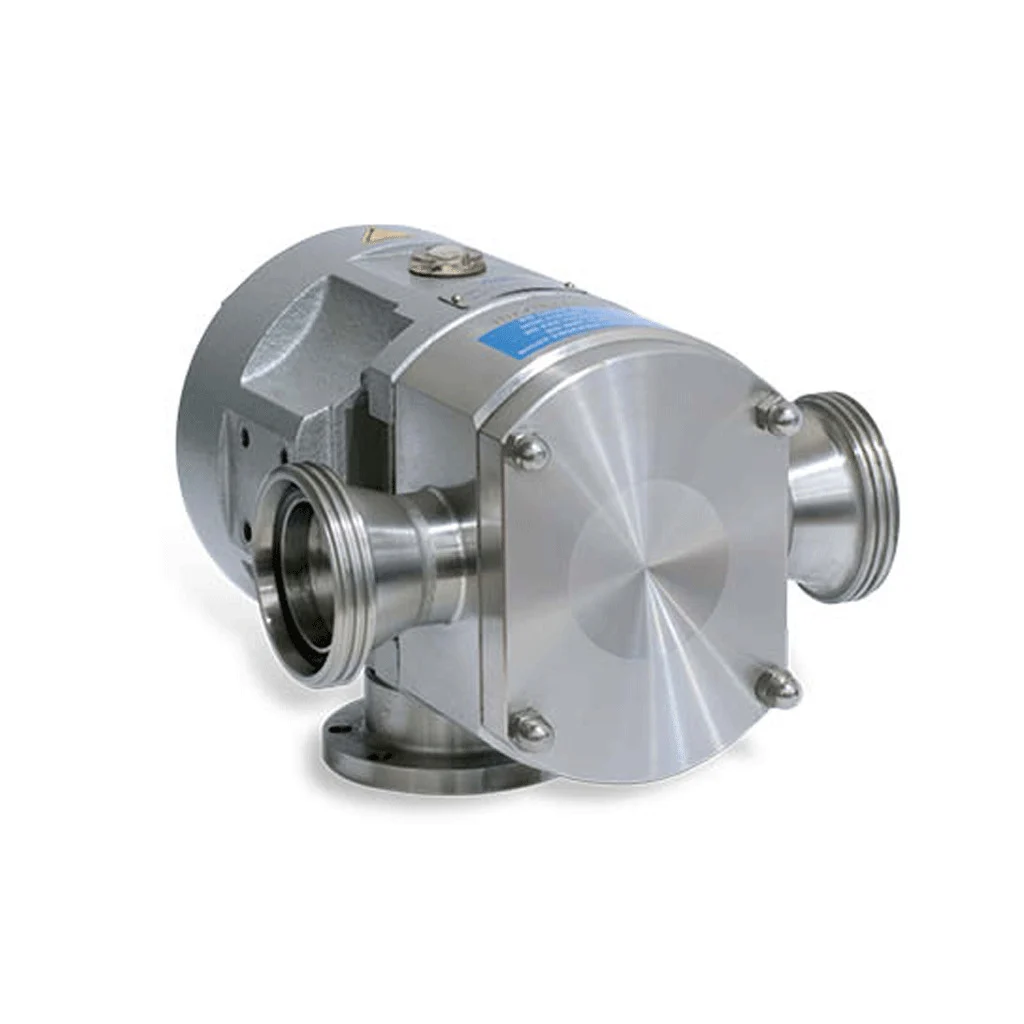 Lobe pumpsViscous liquids, gentle pumping
 Gear pumpsOils, fats and molasses
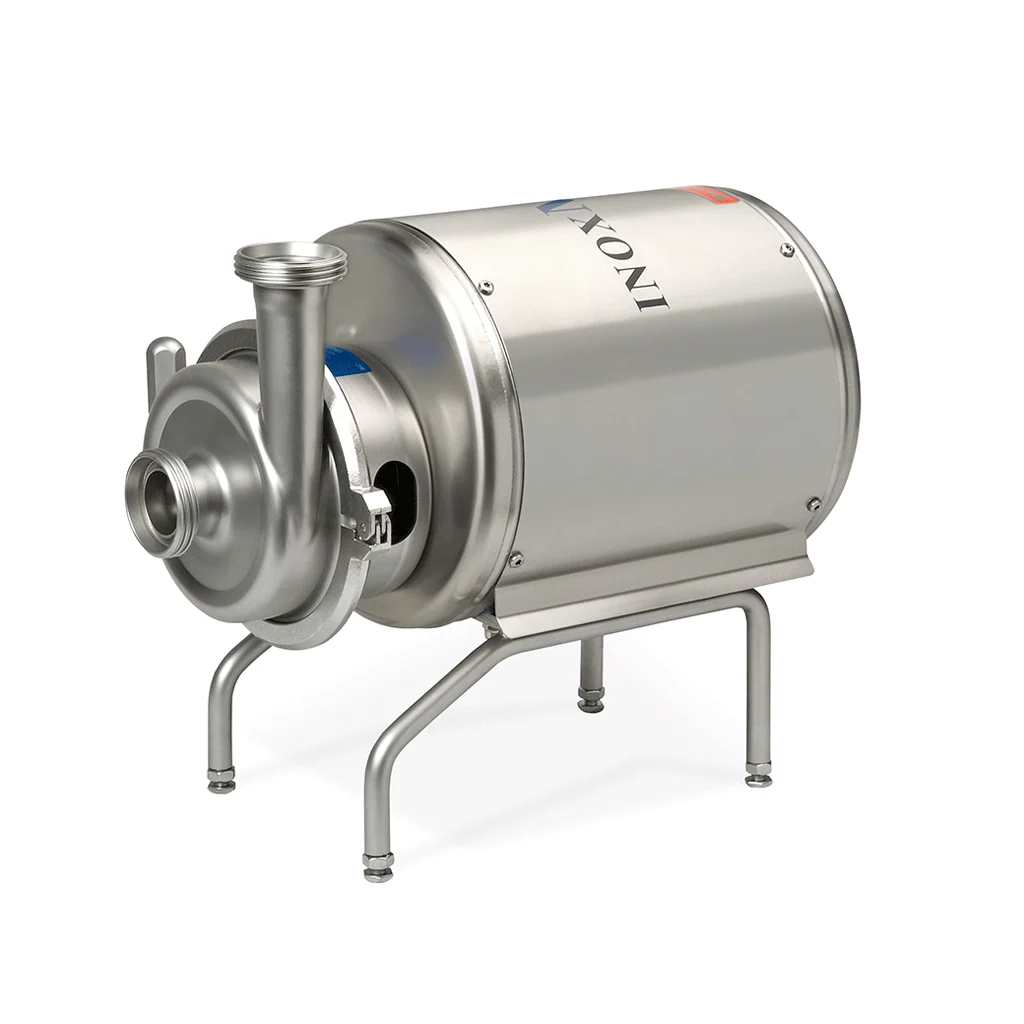 Centrifugal pumpsClean liquids, high flow rate
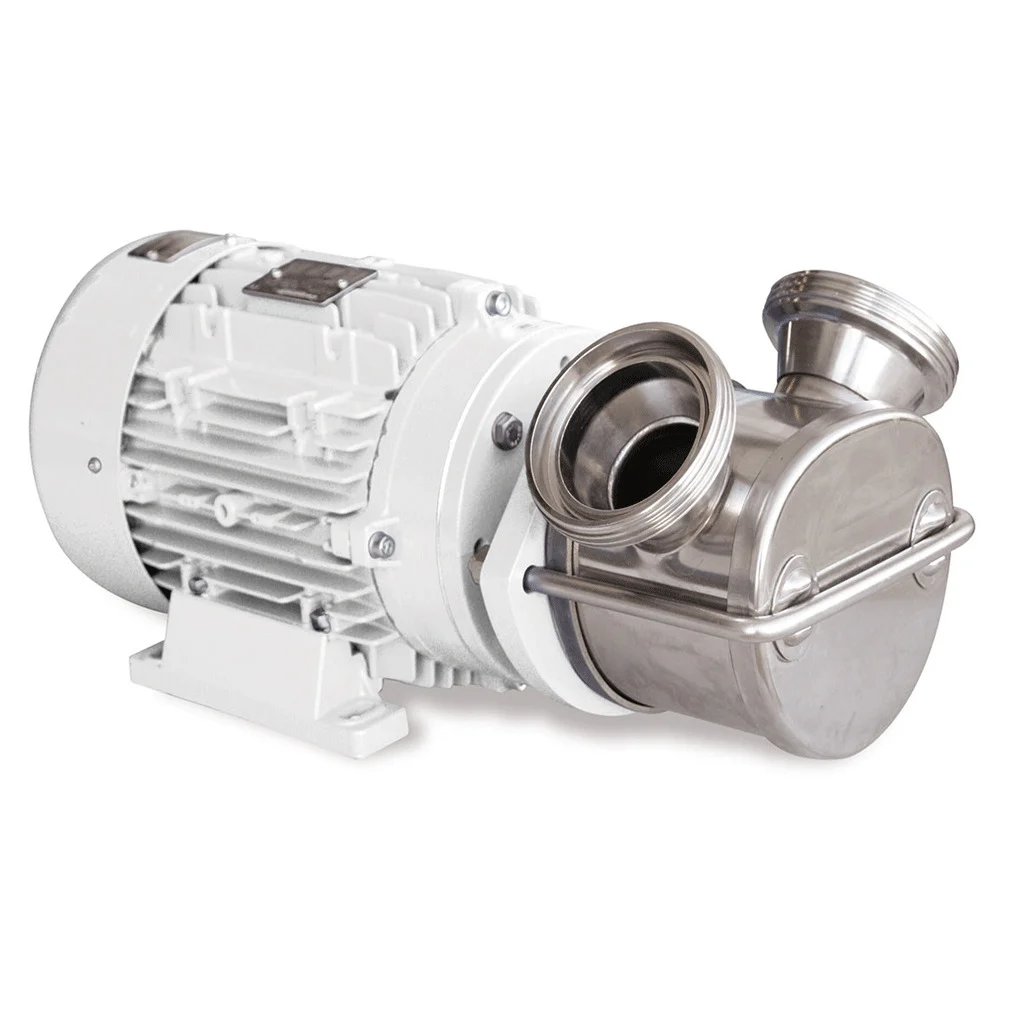 Flexible impellerWine, dairy and oils
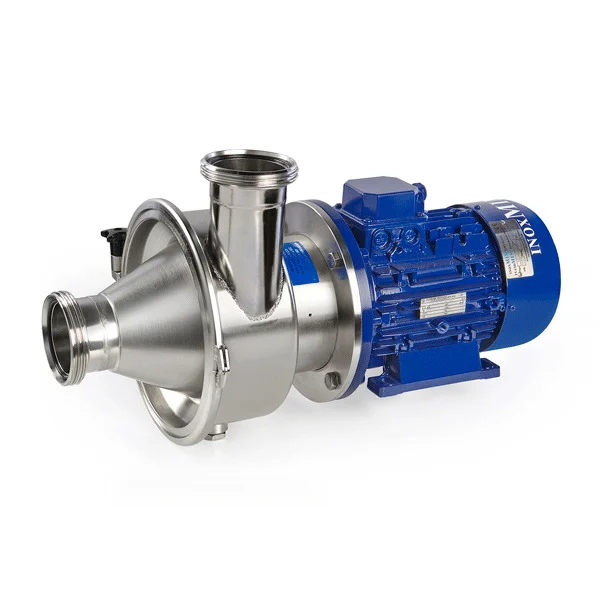 Helical impellerProducts with whole solids
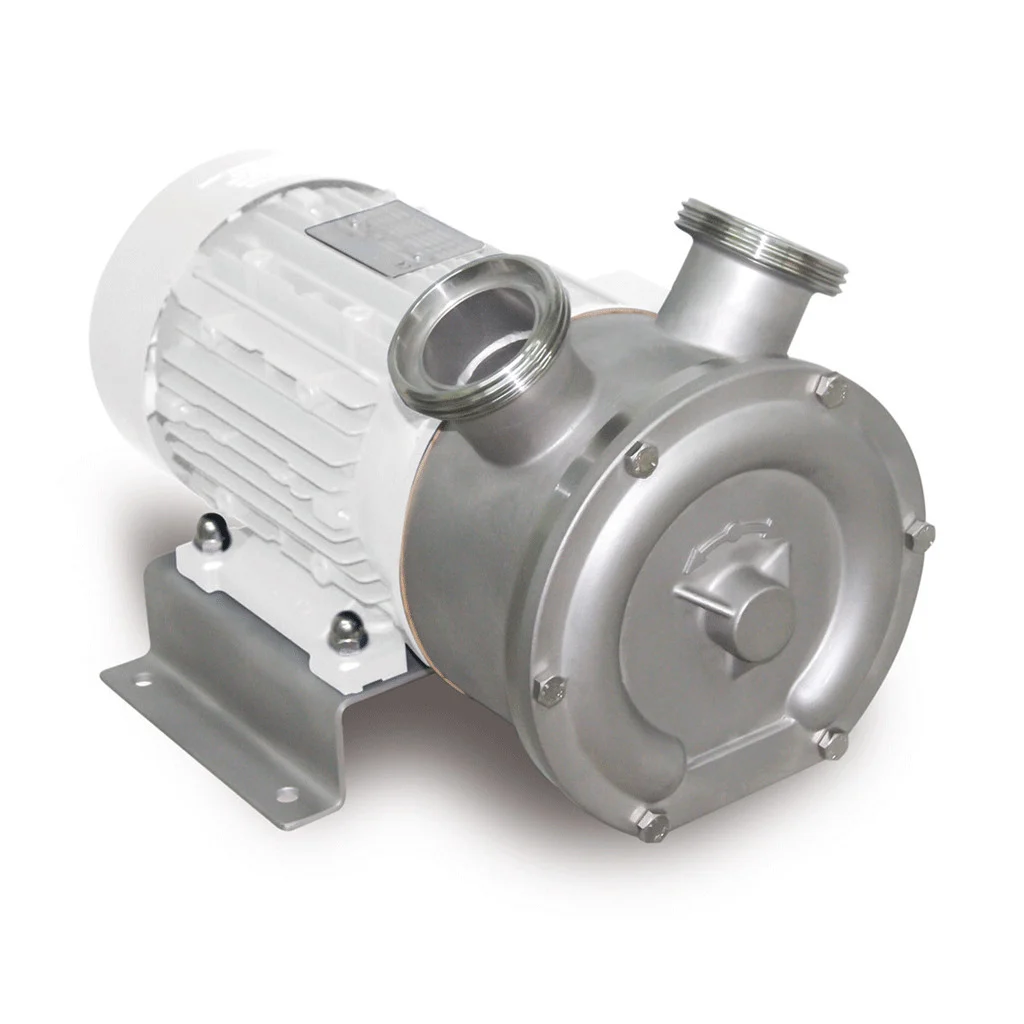 Liquid ringSelf-priming and reversible
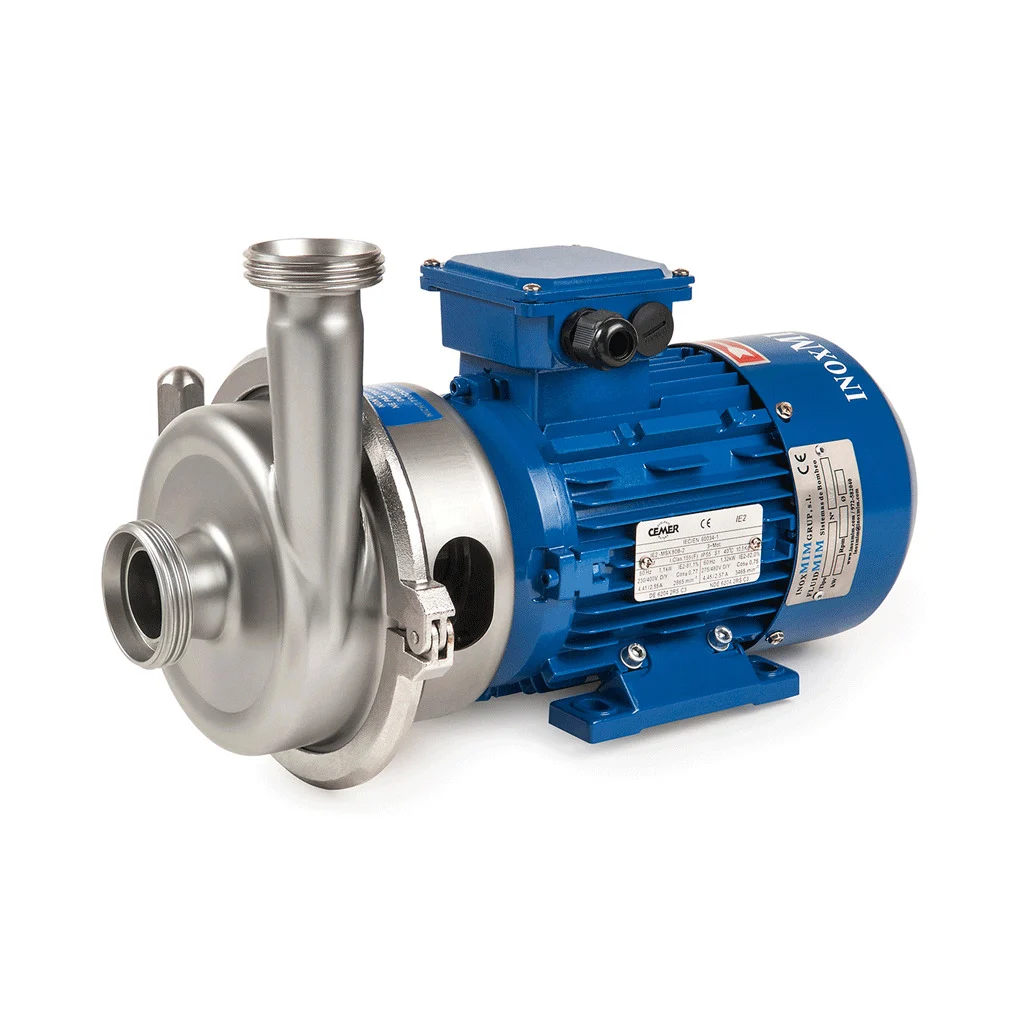 All industrial pumpsSee the full range
Let us help you choose your peristaltic pump
Tell us what product you are moving, whether it reaches you through piping or is tipped into a hopper, the flow rate, the pressure and the temperature, and we will recommend the right model and hose.