
FluidMIM range
Industrial gear pumps
Two series of external gear pumps for dosing and transferring viscous products with a precise flow rate: the AISI 316 monobloc for food dosing and the ductile iron pump for working at pressures of up to 14 bar.
- 2 seriesMonobloc and baseplate-mounted
- 200–15,000 l/hFlow rates of the range
- 14 barMaximum pressure (FL-ENC)
- AISI 316Wetted parts (FL-ENM)
- Ductile cast ironFL-ENC casing
- ReversibleFlow in either direction
Prefer to speak to a technician? Call 972 58 20 40 or download the FLUIDMIM catalogue (PDF)

InoxMIM gear pump models
Two complementary series: a compact stainless steel pump for dosing and a robust one for higher flow rates and pressures. Each card takes you to the model's data sheet, with its sizes, technical data and options.
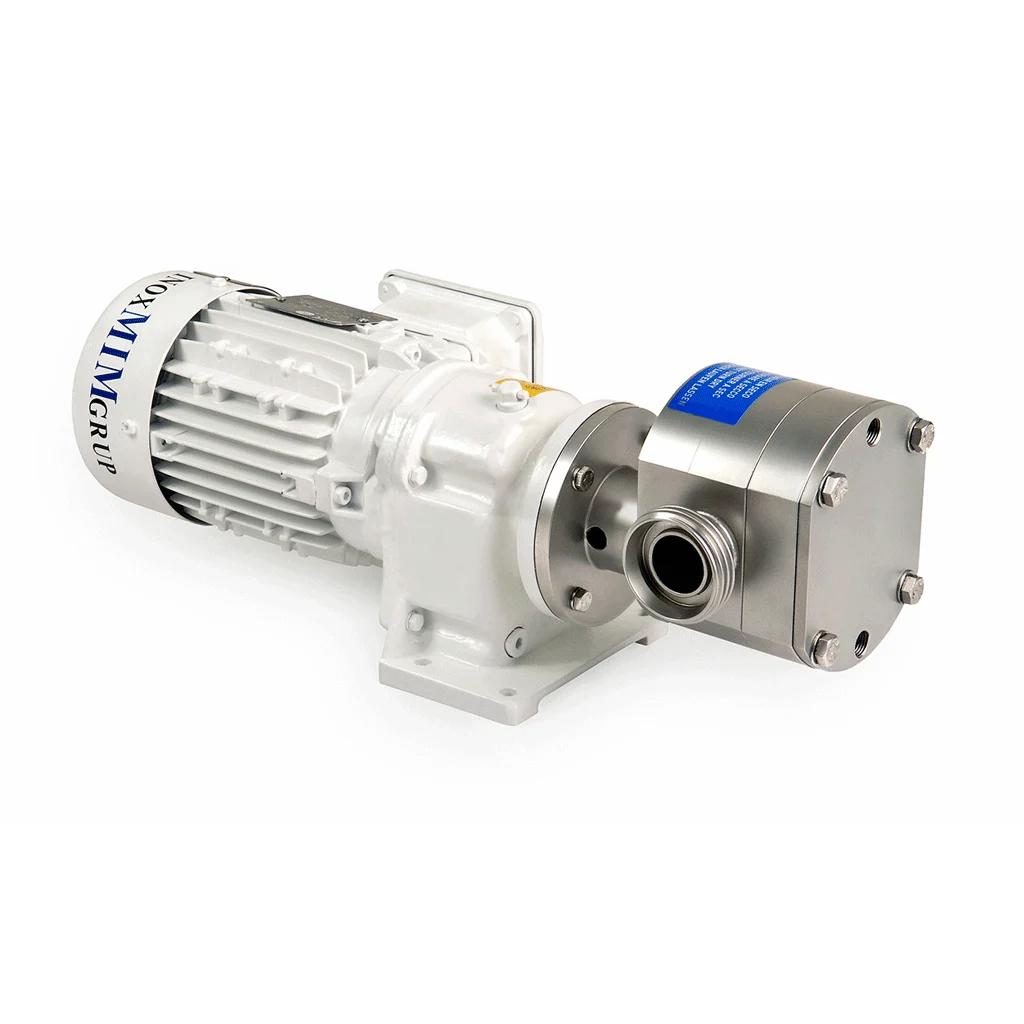
Monobloc
FL-ENM
For dosing chocolates, creams, oils, fats or anchovy paste with a precise, repeatable flow rate. Compact, quiet and with wetted parts in stainless steel.
- 2,000 l/hMax. flow rate
- 2 barMax. pressure
- AISI 316Material
View the FL-ENM data sheet →
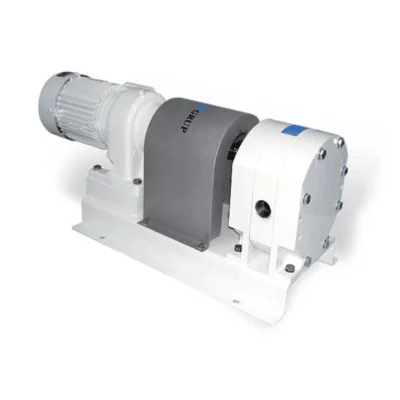
Gear pump comparison
With two series the choice is simple: the FL-ENM for stainless steel dosing at low pressure and the FL-ENC for higher flow rates and pressures.
Values for each series according to the FLUIDMIM catalogue. Both are reversible. The sizes, connections and options of each model are on its data sheet.
Which gear pump do you need?
Choose the situation closest to yours and we will take you to the right model.
How a gear pump works
An external gear pump moves the product between the teeth of two meshing gears. The drive gear, turned by the shaft, rotates the driven gear, and the fluid passes from suction to discharge through the gap between the teeth and the casing. The volume displaced is proportional to the rotation speed, so the flow rate is precise and repeatable.
That is why it is used for dosing and for transferring viscous products, also under pressure. The gears are lubricated by the product itself, so the pump must not run dry and, like any positive displacement pump, it should be protected against overpressure if the discharge is closed. You will find more detail in our guide to external gear pumps for viscous liquids.
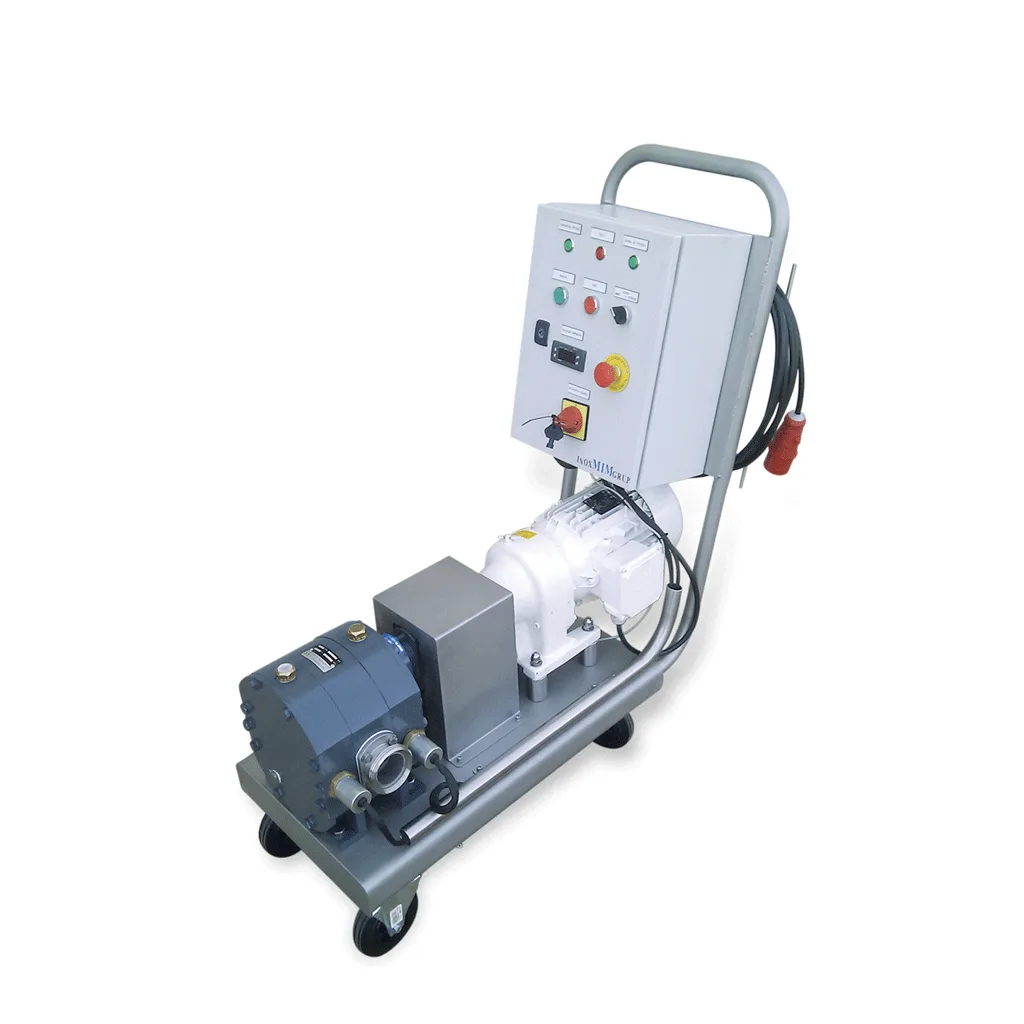
Precise dosing
The flow rate is proportional to the rotation speed, allowing exact, repeatable dosing.
For viscous products
They move chocolates, creams, fats or molasses that a centrifugal pump does not handle well.
Thermal control
Optional heating jacket so that the product does not solidify or crystallise inside the pump.
Reversible
Both series pump in either direction, which is useful for loading, unloading or emptying lines.
Quiet and robust
Low noise level in both series. The FL-ENC has a ductile iron casing and quenched and tempered F-127 steel gears.
Stainless steel or cast iron
AISI 316 on the FL-ENM for food dosing and ductile iron on the FL-ENC for high pressures.
Industrial gear pump applications
Where InoxMIM gear pumps work: wherever a dense product has to be dosed or moved.
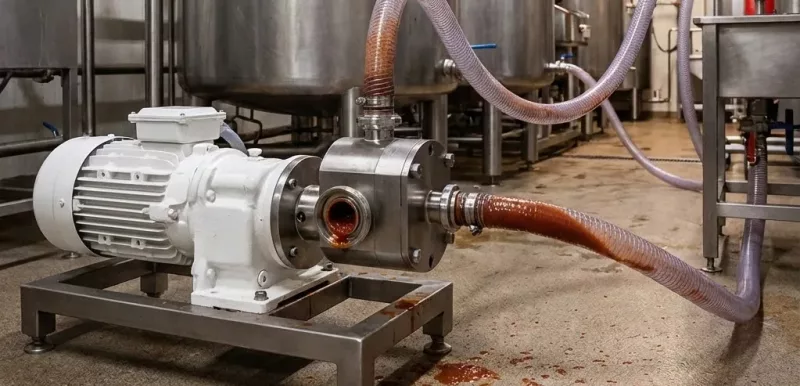
Food industry
Dosing and transfer of chocolates, creams, oils, fats, molasses or anchovy paste, with a stable flow rate that respects the product's texture.

Cosmetics and pharmaceuticals
Transfer of creams, ointments, waxes and emulsions, especially when the product's viscosity or temperature changes during production.
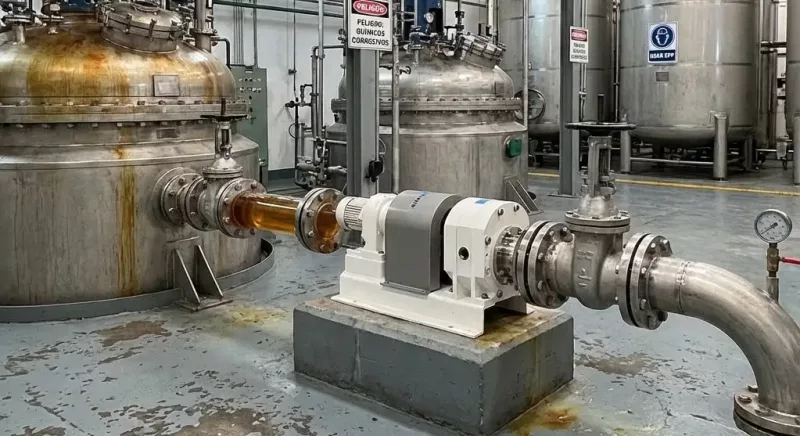
Chemical industry
Transfer of industrial oils, adhesives, starch, cellulose, liquid soaps or lubricants, and feeding of reactors at constant pressure.
Frequently asked questions about gear pumps
What is the difference between a gear pump and a centrifugal pump?
A gear pump is a positive displacement pump: it displaces a fixed volume with each revolution, so its flow rate depends on speed rather than pressure, and it handles viscous products well. A centrifugal pump delivers more flow with clean, low-viscosity liquids. We explain this in positive displacement or centrifugal pump.
Which products can be pumped with a gear pump?
Viscous products without pieces or abrasive solids: chocolates, creams, oils, fats, molasses, starch, cellulose or anchovy paste. If the product contains pieces or must be handled gently, a lobe pump is advisable; if it is abrasive, a progressive cavity pump.
How do you choose the right gear pump?
What materials are gear pumps made of?
The FL-ENM has its wetted parts and drive gear in AISI 316 stainless steel, and a Teflon driven gear. The FL-ENC has a ductile iron casing and quenched and tempered F-127 carbon steel gears. If the process requires stainless steel in all wetted parts, the option is the FL-ENM.
How do you pump a product that solidifies when cold with a gear pump?
With the optional heating jacket, which keeps the product hot inside the pump so that it does not solidify or crystallise. It is heated by electric heaters, steam or hot water, and can be complemented with temperature control. It is common with chocolates, fats, waxes or adhesives.
Are gear pumps reversible?
Yes. Both series pump in either direction of rotation. This means you can load and unload with the same pump or recover the product from the line. As the flow rate is proportional to the speed, it is also easy to regulate by varying the speed.
What needs to be checked on a gear pump?
The sealing and the wear of the gears and shafts, as often as use dictates. It must not run dry, because the product lubricates the gears, and a pressure switch that stops the motor if the pressure rises above the working pressure is advisable.
Do you offer advice on sizing a gear pump?
Yes. InoxMIM's technical department helps you choose the series, size and options, such as the heating jacket or pressure control, based on your product, its viscosity and temperature, and the flow rate and pressure of your installation.
Other InoxMIM industrial pumps
If your product contains pieces, is abrasive or is a clean liquid at high flow rates, another pumping technology may suit you better.
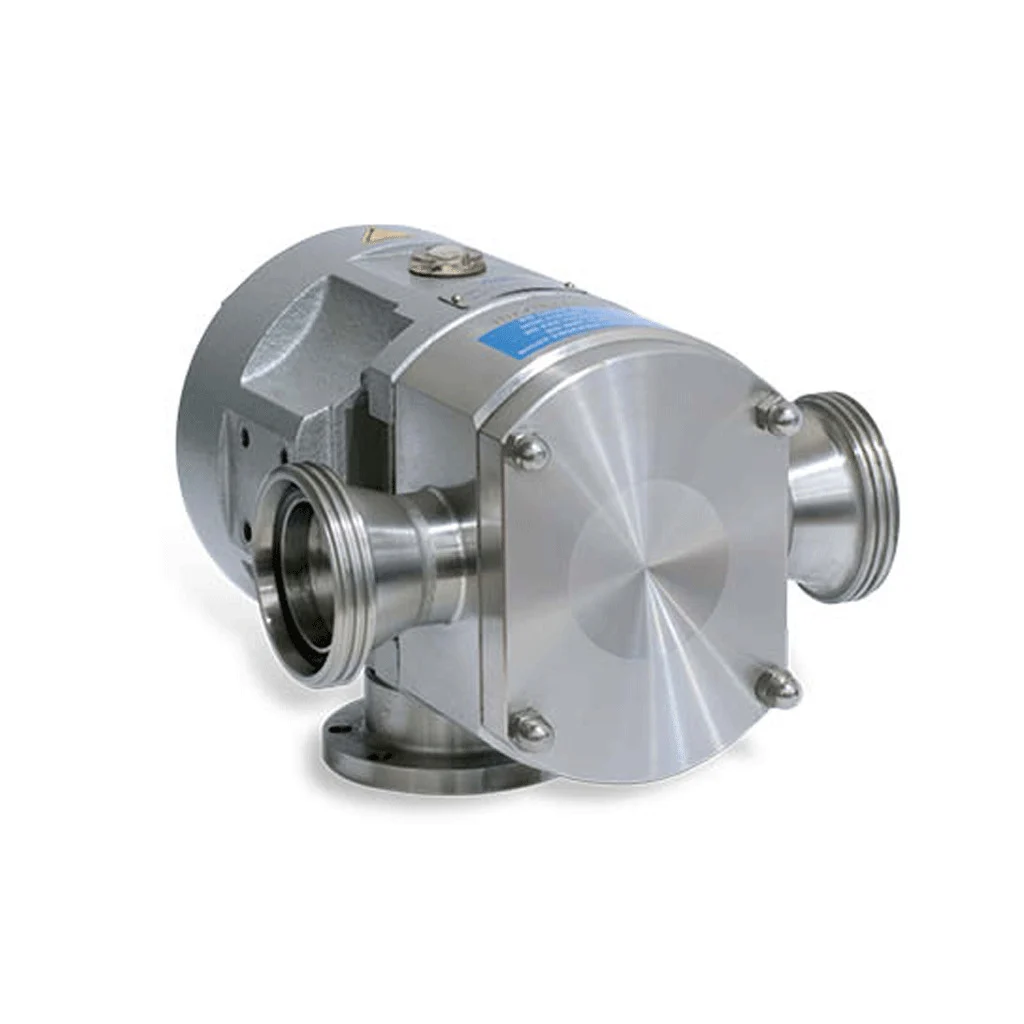 Lobe pumpsViscous liquids, gentle pumping
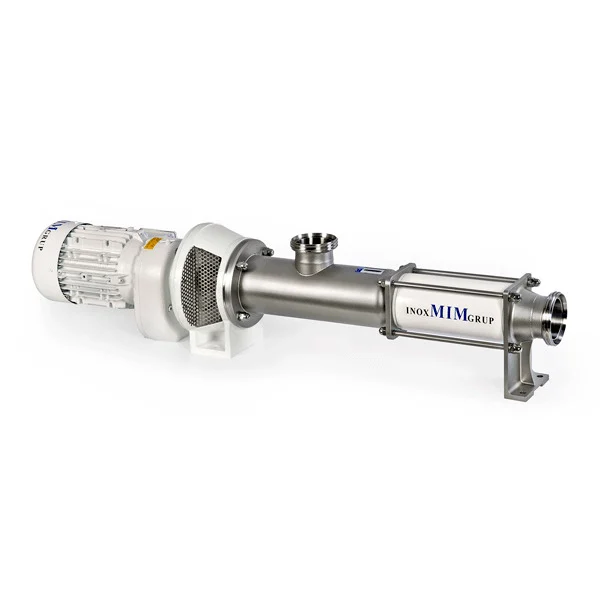 Progressive cavity pumpsViscous or delicate products
 Peristaltic pumpsSludge and abrasive suspensions
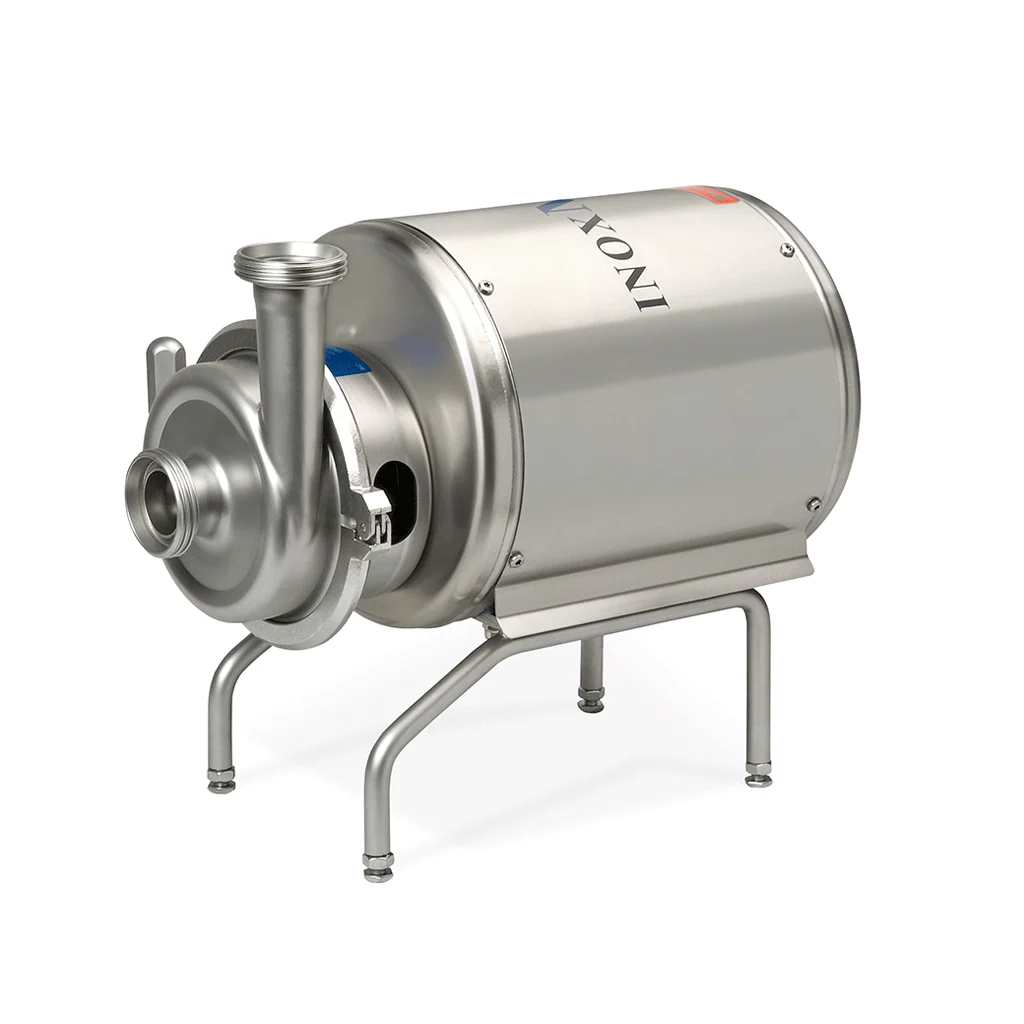 Centrifugal pumpsClean liquids, high flow rate
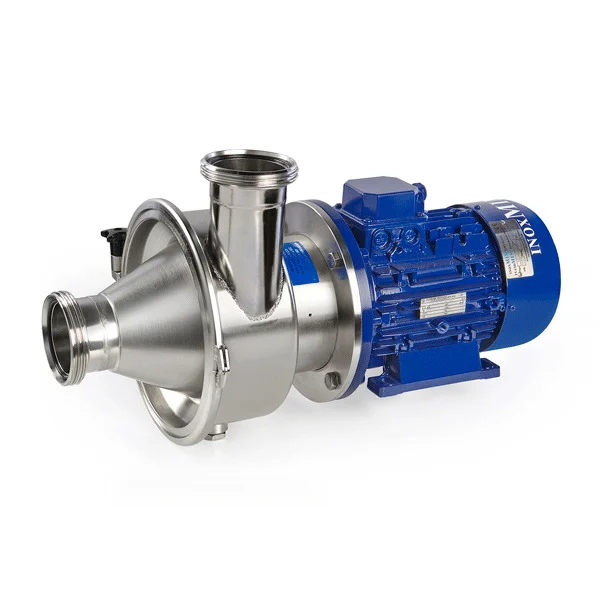 Helical impellerProducts with whole solids
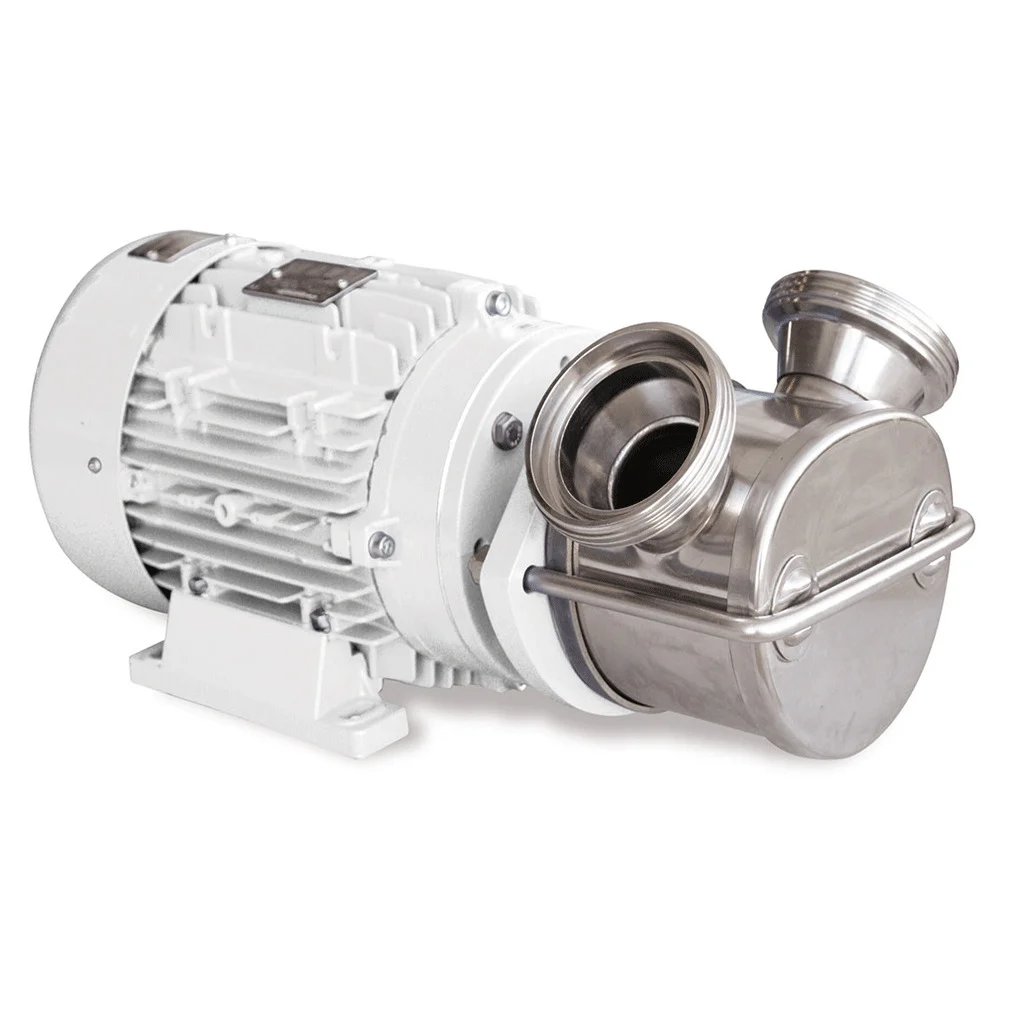 Flexible impellerWine, dairy and oils
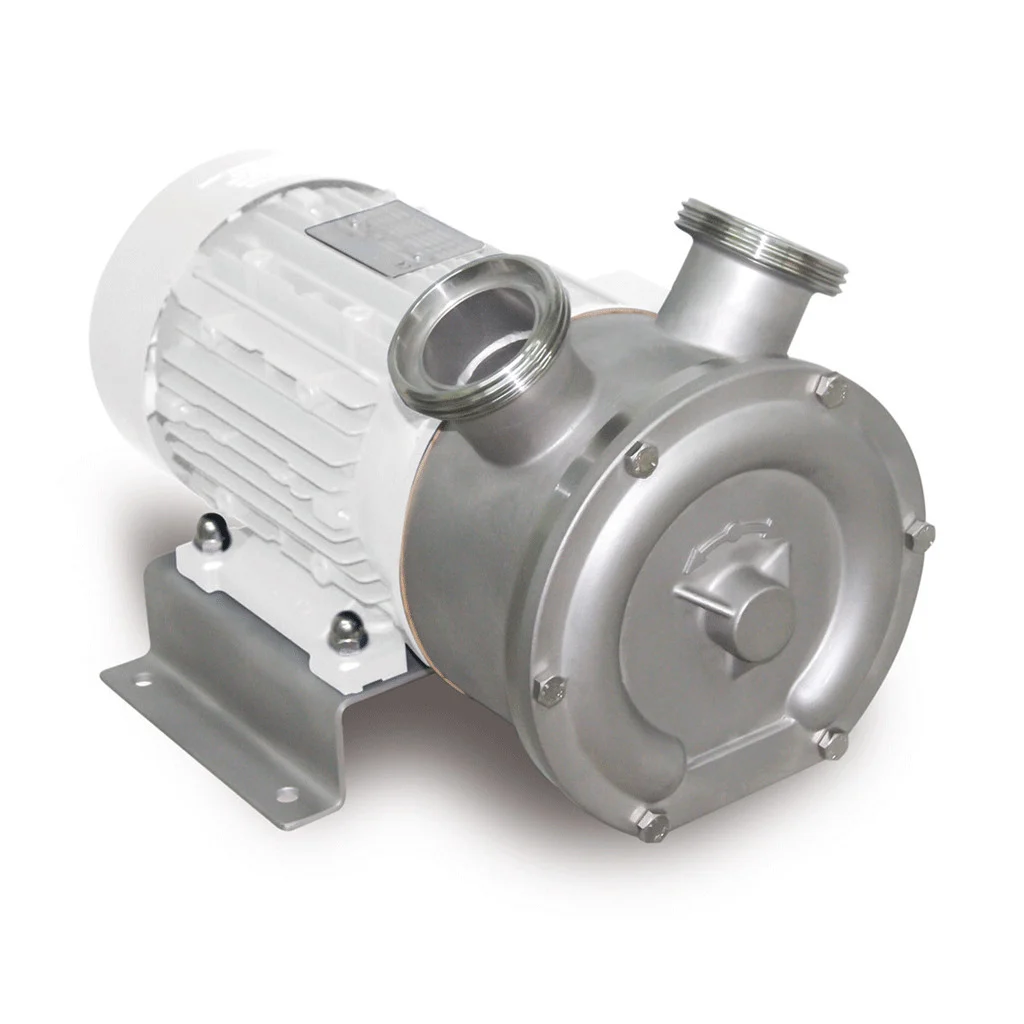 Liquid ringSelf-priming and reversible
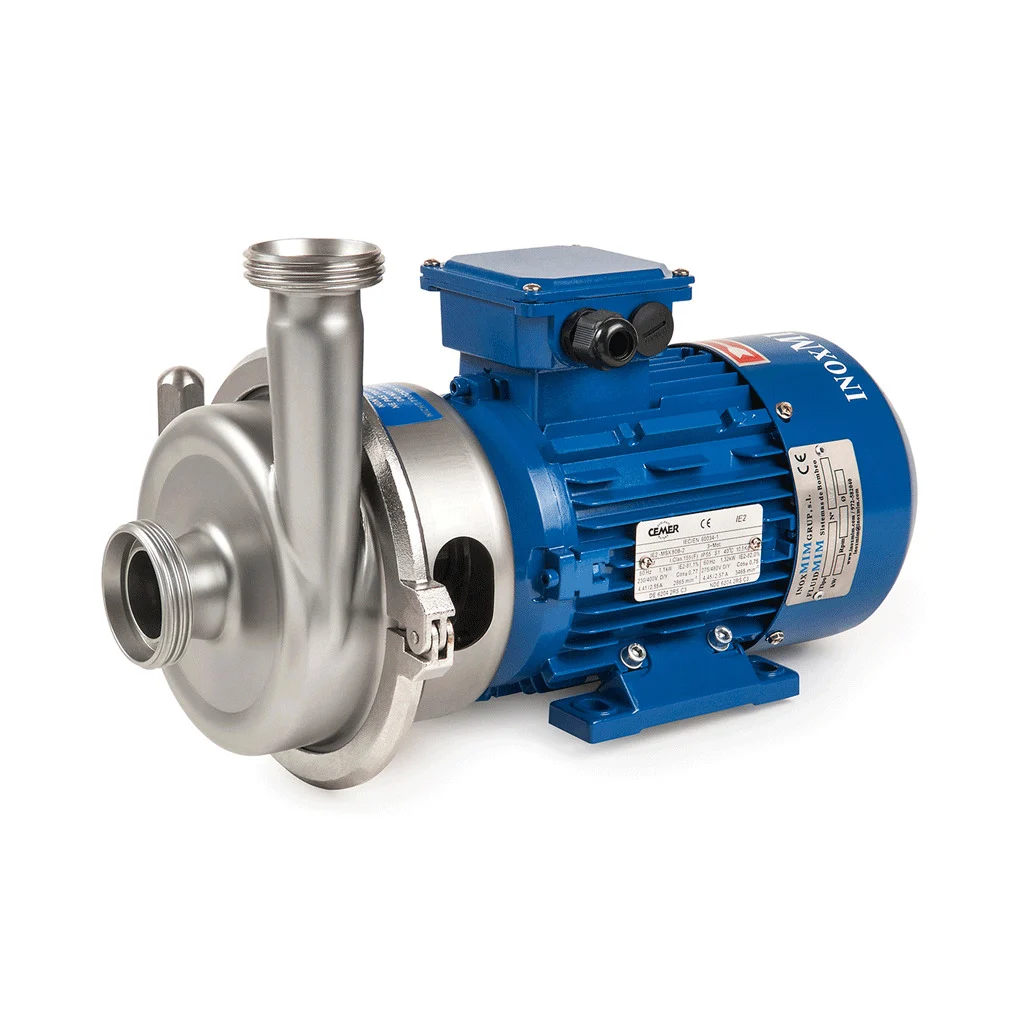 All industrial pumpsView the full range
We help you choose your gear pump
Tell us what product you are moving, its viscosity and temperature, the flow rate and the pressure, and we will recommend the right series, size and options.