
Pumps
How does a liquid ring pump work?
 By Albert Moreno, Sales Director at InoxMIM
- Published on
- Updated on
- 3 min read

In the food, chemical, pharmaceutical and cosmetics industries there are numerous engineering services that help to facilitate the tasks of industrial projects within the food, cosmetics, pharmaceutical and chemical sectors.
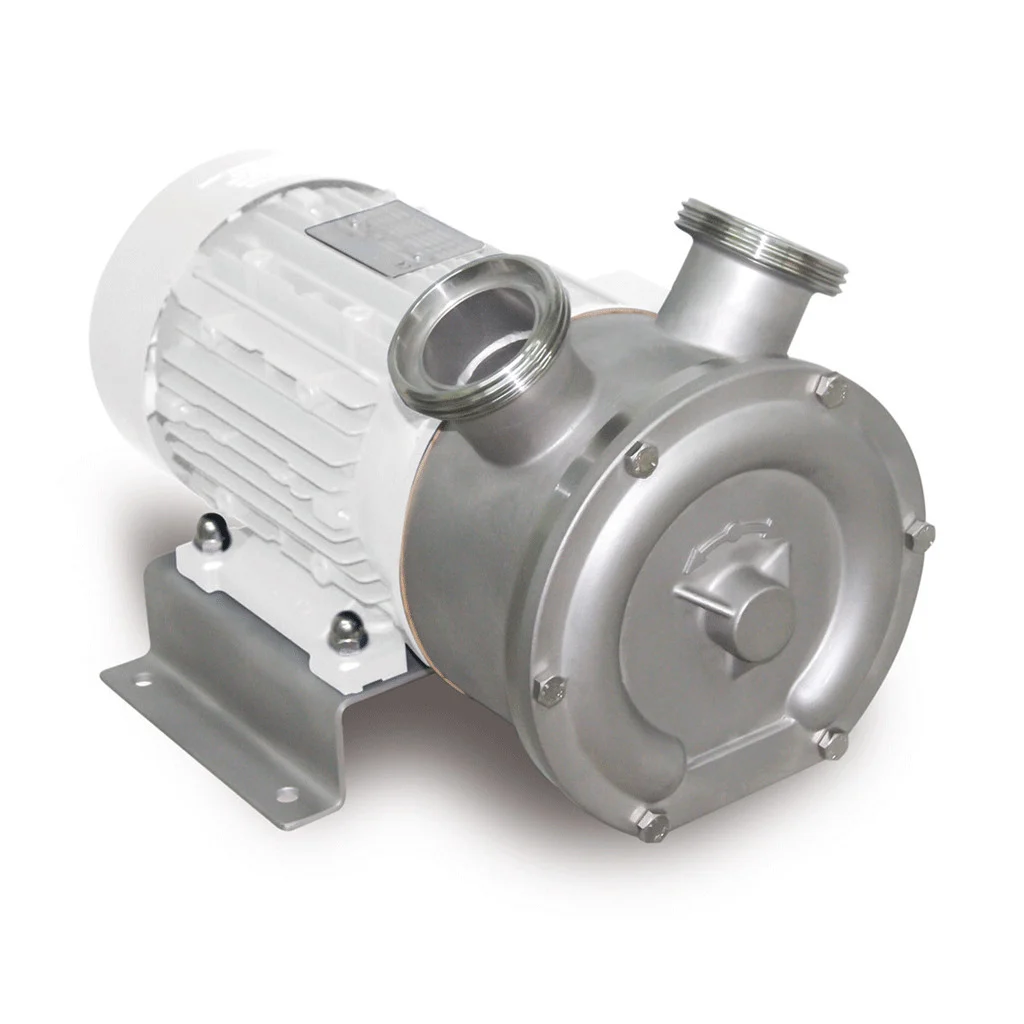
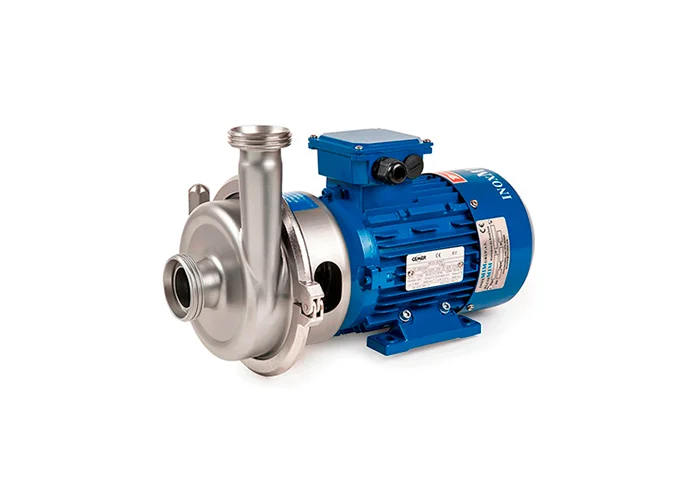
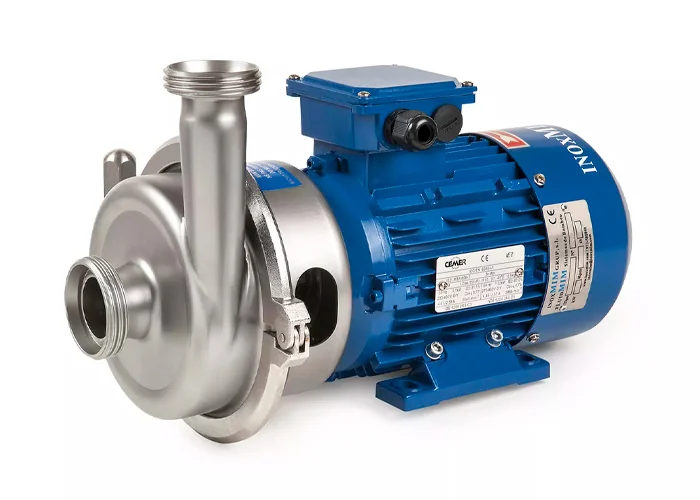
At InoxMIM we offer you the most suitable services and tools for your industrial project, such as our liquid ring pumps, designed for transferring clean fluids without suspended solid particles. Below we look at liquid ring pump operation and its main features.
These pumps are self-priming and reversible, which makes them ideal for handling a wide range of products in sectors such as winemaking and olive oil. Wine, must, vinegar and oil, as well as other dairy products such as milk and whey, are all perfect for the liquid ring pump. They are also especially recommended for the chemical sector, as they handle all kinds of acids, solvents, detergents and inks.
Main functions of a liquid ring pump
Liquid ring pumps are used in chemical process technology as well as in a wide variety of other applications. They are considered the vacuum generators par excellence in every branch of the sector.
In their fields of application, vacuum pumps have remained absolutely essential elements in production to this day, especially liquid ring vacuum pumps, which are the favourites of a long list of industrial sectors.
Liquid ring pump operation
Liquid ring vacuum pumps use water or a liquid compatible with the gas or vapour to be evacuated. Ethylene glycol, mineral oils, organic solvents and other liquids can also be used.
The operating principle of the liquid ring pump is the same in all sizes and versions, so we can guarantee the best solution for every industrial process, from vertical agitation to side-entry agitators, blenders, emulsifiers, etc.
Features of liquid ring pumps
Because of the fluid, this mechanism is used in an approximate vacuum range. The achievable vacuum level depends on the vapour pressure of the working fluid. This fluid is pumped continuously throughout the vacuum pump, which allows it to run at low temperatures and keeps the rise in the medium's temperature to a minimum during the compression process.
Liquid ring vacuum pumps are therefore perfect for pumping vapours and gases with high moisture levels. In addition, the low temperatures of the vacuum pump make it easier for process vapours to condense.
This is why the vacuum pump also acts as a condenser, since condensation occurs when the mixture enters it and its volume is drastically reduced.

Advantages of liquid ring pumps
Liquid ring vacuum pumps are practically isothermal, so they offer many advantages when pumping temperature-sensitive products such as polymers.
Another major advantage of liquid ring vacuum pumps is that the materials used in their components can be adapted to the pumped medium, making it possible to pump explosive or corrosive vapours and gases.
Pumping explosive materials is considered far less problematic than with other mechanical vacuum pumps, which makes liquid ring pumps perfect for working at relatively low temperatures.

About the author
Sales Director at InoxMIM
Sales Director at InoxMIM, a manufacturer of stainless steel pumps, agitators and process equipment since 1997. He supports customers in choosing each piece of equipment, from the first technical enquiry through to the quote.
Do you have a similar process?
Tell us which product you are working with and what you need. Our technical team will recommend the right equipment.